Consider Romila, a woman in her 70s who has difficulty moving around due to arthritis. Her live-in caregiver sometimes refuses to help her bathe or with other basic tasks, leaving her feeling neglected and vulnerable. Romila fears speaking up because she relies on her caregiver for assistance and worries about being mistreated further if she complains.
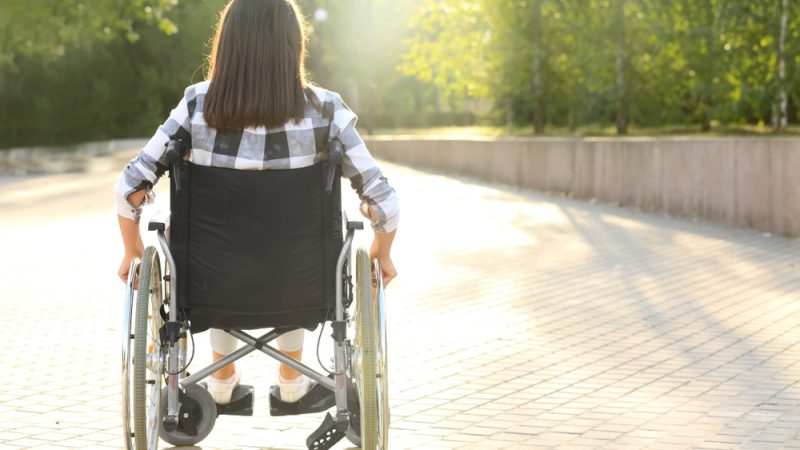
Another example is Sarita, a woman with a hearing impairment who lives with her partner. Despite her disability, her partner frequently shouts at her during arguments, making her feel scared and isolated. Sarita struggles to seek help because she depends on her partner for communication and feels ashamed of her situation.
These examples illustrate the challenges faced by older women and women with disabilities in abusive situations. They often feel trapped and fearful, unable to easily seek assistance due to their reliance on caregivers or partners.
Romila and Sarita are not alone in this battle. Older women and women with disabilities across the countries face particular risk of abuse, yet their situation is largely hidden in most global and national violence-related data, according to two new publications released recently by the World Health Organization (WHO). The health agency has called for better research across countries that will help ensure these women are counted, and that their specific needs are understood and addressed.
The two briefs, “Measuring violence against older women” and “Measuring violence against women with disability”, stress that older women and women with disabilities and their representative organizations should be engaged in all phases and aspects of survey design and implementation, to ensure they are appropriate and user-friendly. Formats like Braille or EasyRead can expand accessibility.
The briefs are the first in a series on neglected forms of violence and were developed as part of the UN Women-WHO Joint Programme on Violence against Women Data.
Where there is evidence on gender-based violence amongst these groups, data shows high prevalence. One systematic review found greater risks of intimate partner violence for women with disabilities compared with those without, while another also found higher rates of sexual violence.
“Older women and women with disabilities are under-represented in much of the available research on violence against women, which undermines the ability of programmes to meet their particular needs,” said Dr Lynnmarie Sardinha, Technical Officer at WHO and the UN Special Programme on Human Reproduction (HRP) for Violence against Women Data and Measurement, and author of the briefs. “Understanding how diverse women and girls are differently affected, and if and how they are accessing services, is critical to ending violence in all its forms.”
Intimate partner and sexual violence are the most common forms of gender-based violence globally and affect around 1 in 3 women. Older women and women with disabilities are still subjected to these types of violence, but also face specific risks and additional forms of abuse, sometimes at the hands of caregivers or health care professionals. These include coercive and controlling behaviours such as withholding of medicines, assistive devices or other aspects of care, and financial abuse.
Among women aged 60 years and older, a review conducted by WHO found that physical and/or sexual intimate partner violence remained the most frequently experienced forms of abuse. However, as partners aged, some women reported a shift from predominantly physical and/or sexual violence to psychological violence, including threats of abandonment and other controlling behaviours.
Older women and women with disabilities can be extremely isolated when violence occurs, making it more difficult for them to escape and report the abuse. Stigma and discrimination can further reduce access to services or information, or result in their accounts of violence being dismissed by responders.
“Gender-based violence is rooted in unequal power and control over women,” said Dr Avni Amin, Head of the Rights and Equality across the Life Course Unit at WHO and HRP. “For older women and women with disabilities, their dependency and isolation are further exploited by perpetrators, increasing their risk of abuse. Services must be responsive to their needs and identify appropriate contacts through the health and care systems, so that all women experiencing violence can access empathetic, survivor-centered care.”
WHO recommends several measures to address evidence gaps. Noting that older women are currently represented in only about 10% of data on violence against women, this includes extending the age limit for survey participation. They also suggest incorporating questions relating to different types of violence, encompassing a broad spectrum of disabilities.
They are intended for use by researchers, national statistics offices, social care and welfare services and others involved in data collection on violence against women. Funding has been provided from the Foreign and Commonwealth Development Office of the Government of the United Kingdom of Great Britain and Northern Ireland.
Alongside the briefs, WHO has developed a survey module to support data collection on violence against older women, to be used alongside existing surveys. Resources to support inclusion of measures of disability in such surveys will be released later in the year.
WHO emphasizes the importance of recognizing and addressing the specific needs of these women to ensure they receive the support and protection they deserve. By including them in surveys and providing accessible support services, we can empower these vulnerable individuals to break free from abuse and live with dignity and safety.