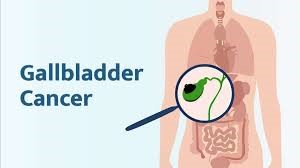
Pancreatic cancer in India is estimated at 2.5–3.5 cases per 100,000 people, significantly lower than the 10–15 per 100,000 seen in Western countries. However, with 35,000 to 40,000 new cases annually and a 2-3 per cent yearly increase, doctors from Sammprada Hospital, Bengaluru have cautioned that the disease remains a serious concern due to its high morbidity and mortality rates.

Dr. Radheshyam Naik, Consultant Medical Oncologist, Hematologist and Bone Marrow Transplant Physician at Sammprada Hospital, Bengaluru, highlighted the severity of pancreatic cancer, which ranks as the 4th or 5th leading cause of cancer-related deaths. Pancreatic cancer is a type of cancer that forms in the pancreas, the organ that produces enzymes to digest food and hormones to manage blood sugar. Dr Naik explained that the disease has a very poor prognosis, with a five-year survival rate of just 9 per cent, meaning 91 per cent of patients die within five years. Common symptoms include abdominal pain, jaundice, malabsorption, depression, and muscle loss. The one-year survival rate stands at 29 per cent, with 71 per cent of deaths occurring within the first year of diagnosis.
The incidence of pancreatic cancer in India is rising, largely due to lifestyle factors such as increasing rates of obesity, smoking, and alcohol consumption. Dr. Radheshyam Naik, a consultant oncologist at Sammprada Hospital, highlighted that smoking is the most significant modifiable risk factor for pancreatic cancer, alongside high-fat diets, obesity, and diabetes, which also contribute to the growing prevalence. He noted that the increasing prevalence of diabetes in India could further influence future trends in pancreatic cancer.
When discussing treatment options, Dr. Naik mentioned surgery, radiation, chemotherapy, and biological therapy as the primary treatments. He compared the progress in pancreatic cancer research with advancements in lung cancer treatment, stating that while lung cancer patients have seen significant improvements in survival rates, the prognosis for pancreatic cancer remains grim. Two decades ago, both cancers had similar cure rates, but today, lung cancer patients, even in advanced stages, can live for more than five years, whereas the majority of pancreatic cancer patients still die within one year of diagnosis.
Dr. Naik explained that the aggressive nature of pancreatic cancer, its deep location in the body, and its ability to metastasize before being detected make it particularly challenging to treat. The vague and non-specific clinical symptoms of pancreatic cancer often lead to late-stage diagnoses, with imaging scans being essential for detection. Despite advances in other cancer treatments, research into pancreatic cancer has not yet produced significant improvements in survival rates.
The doctor added, “Immunotherapy, specially the immune checkpoint inhibitors as a group of drugs, has changed the prognosis of many types of cancers including lung cancer, colon cancer, stomach cancer, renal and hepatic cancers. Unfortunately, these drugs have not made any meaningful impact on pancreatic cancer for some reason.”
Recounting the main challenges in treatment, Dr. Vinod K Ramani, Preventive Oncologist at the hospital, said that first and foremost, most of the pancreatic cancers are not operable. Secondly, even when they are operable, surgery is very complex and can lead to post-operative complications. Even after complete surgery, many of the patients recur.
“Most of pancreatic cancers have only chemotherapy as their main treatment. Most of these patients have many types of co-morbidities and habits like smoking and alcohol. Their tolerance to chemotherapy is poor.
“In addition, the malnutrition associated with pancreatic cancer comes in the way of effective treatment. Radiation is less effective than surgery in pancreatic cancer. It is done when surgery is not possible or after surgery as an adjuvant treatment. Unfortunately, other biological therapies like bevacizumab and targeted agents have not worked well in case of pancreatic cancer,” the doctor added.