New Delhi: In a slew of measures aimed at combating air pollution-related health issues, the Centre has directed all States and Union Territories to strengthen their public health response by setting up CHEST Clinics in government hospitals and medical colleges, ensuring adequate medical preparedness, and improving surveillance of pollution-linked illnesses.
The updated advisory — issued under the National Programme on Climate Change and Human Health (NPCCHH) by the Union Health Ministry— mandates the creation of dedicated CHEST (Cardio-Respiratory Health Effects Screening and Treatment) Clinics in district hospitals, community and urban health centres, and other government healthcare facilities.
These clinics will focus on the screening, diagnosis, treatment, and follow-up of patients suffering from respiratory and cardiovascular diseases aggravated by air pollution.
The Ministry has also directed States to maintain daily patient registers, document all cases of air pollution-related illnesses — including asthma, COPD, bronchitis, heart disease, and stroke — and report them through a digital monitoring system. The data will be analysed by District and State Nodal Officers under the NPCCHH for early warning, prevention, and timely response.
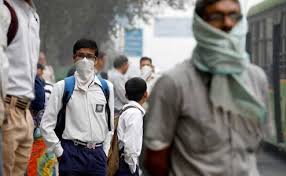
“Air pollution has emerged as a major public health threat, impacting not only the lungs but also the heart, brain, and nervous system,” the Ministry noted, urging citizens to monitor local air quality through the CPCB’s Sameer app and adhere to official health advisories.
Each CHEST Clinic will be linked with Primary Health Centres (PHCs) and Community Health Centres (CHCs) to ensure continued follow-up and long-term care. The Ministry has instructed all government facilities to maintain adequate supplies of medicines, oxygen cylinders, nebulisers, ventilators, and emergency beds.
Medical officers and paramedical staff will undergo specialised training to manage respiratory and cardiovascular cases associated with high pollution exposure. Hospitals across the country will serve as sentinel sites, monitoring and reporting daily trends in pollution-linked illnesses.
To ensure early identification of vulnerable individuals — including children, pregnant women, the elderly, and those with pre-existing lung or heart disease — frontline workers such as ASHA and ANM staff have been directed to conduct door-to-door surveys. They will also advise families on preventive measures such as limiting outdoor activity during high pollution periods, improving indoor ventilation, and using cleaner cooking fuels to reduce household air pollution.
States have been instructed to enforce dust control measures at construction and demolition sites. Local authorities must ensure water sprinkling, covering of materials, and provision of masks and protective gear for all workers. Employers have been asked to conduct regular health check-ups, rotate duties to reduce exposure, and maintain respiratory health records.
The Health Ministry has recommended that schools up to Class 5 shift to online classes on days of severe air pollution. Schools have been advised to monitor air quality levels daily and suspend outdoor activities when the Air Quality Index (AQI) falls into the “poor” category or higher.
State and district-level Task Forces on Climate Change and Health have been activated to coordinate with pollution control boards, education departments, and local authorities. The advisory reiterates that all States must strictly enforce the Graded Response Action Plan (GRAP) as notified by the Central Pollution Control Board (CPCB).
The Ministry has cited a sharp increase in respiratory and cardiac cases linked to prolonged exposure to toxic air. It warned that long-term inhalation of pollutants can lead to chronic illnesses such as lung cancer, stroke, and cardiovascular disease.
“Air pollution is no longer a seasonal concern but a year-round public health emergency,” the advisory said. “Protective measures, early detection, and public awareness are critical to mitigate its impact.”
The Ministry has urged citizens to stay alert, monitor air quality via the CPCB’s Sameer app, and follow all official health advisories to safeguard themselves from the rising threat of pollution-related diseases.