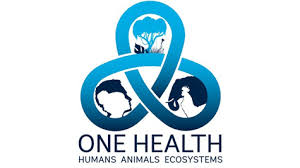
New Delhi: With nearly 75% of human diseases such as Covid-19, Avian Influenza, Nipah, and Leptospirosis originating in animals, experts have renewed their call for India to adopt an integrated “One Health” approach that links human, animal, and environmental health systems.
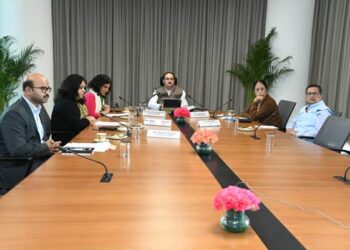
To this end, a high-level inter-ministerial meeting chaired by Prime Minister Narendra Modi will be held in New Delhi on November 20–21 to align government efforts across eleven ministries including health, environment, agriculture and urban development ministry.
“Rapid urbanisation, deforestation, and climate change have intensified the risks of zoonotic diseases,” said Prof. Umesh Kapil, President of the Epidemiology Foundation of India at a press conference held at the sidelines of a national
workshop on “Strengthening Surveillance, Diagnostics, and One Health Response” held at AIIMS Delhi.
“Health must be viewed in totality, but right now it’s being managed in silos. The One Health approach is not just a theory—it’s a necessity.”
Prof Kapil urged stronger coordination between ministries, noting that health, agriculture, and environment departments must jointly address disease determinants.
Highlighting the urgent threat of antimicrobial resistance (AMR), Dr. C.M. Singh of RML Lucknow warned that overuse of antibiotics, especially in livestock, could make common infections untreatable by 2050. “Agriculture and health ministries must work together to curb misuse in the veterinary sector,” he said.
Dr. Pradeep Aggrawal from AIIMS Rishikesh called for integrating wildlife, forestry, and pollution control measures to curb disease spillovers, while Dr. Ashok Bhardwaj of MM Medical College, Solan, emphasized incorporating the One Health approach into TB control efforts.
Addressing the workshop, AIIMS Delhi Director Prof. M. Srinivas said One Health principles should become part of India’s institutional culture—from lab research to field response. Dr. Nivedita Gupta of ICMR detailed plans for a National One Health Mission that will link surveillance data from human, animal, and environmental systems.
Experts including Dr. Pragya Yadav (National Institute of One Health, Nagpur) and Dr. George Varghese (CMC Vellore) underscored the need for regional One Health centers, digital surveillance networks, and greater investment in vaccines, research, and training.
“Adopting One Health is no longer optional—it’s essential to safeguard India’s future,” Dr. Varghese added.
Other experts, including Dr. Pawan Kumar from Union Health Ministry and Dr. Anoop Velayudhan (ICMR), discussed integrating vaccination, surveillance, and policy frameworks that bridge the human-animal-environment divide while Dr. Krishnamurthy Kannan (CSIR-NEERI) highlighted links between environmental pollution and public health, calling for policies that treat ecological conservation as a health imperative.
Participants from AIIMS Bathinda, AIIMS Rishikesh, Gujarat Medical College Rajkot, and NHSRC shared regional innovations and best practices in implementing One Health strategies on the ground.