New Delhi: India records nearly 7 million burn injuries every year — a burden among the highest in the world. Of these, around 150,000 people lose their lives despite medical intervention, and nearly 250,000 others survive with lifelong deformity, scarring, disability or functional impairment.
Yet the current supply remains far below what is required, leaving burn units across India struggling to meet demand arising out of accident, domestic mishap, acid attack, industrial burns or electrical injuries,
“There is an urgent need to bridge the widening gap between the demand for skin grafts and their actual availability,” said Prof. Maneesh Singhal, Head of the Department of Plastic, Reconstructive, and Burns Surgery at AlIMS, New Delhi.
He said timely availability of donated skin can reduce infection, prevent sepsis, accelerate healing, decrease pain and significantly improve survival and rehabilitation outcomes.
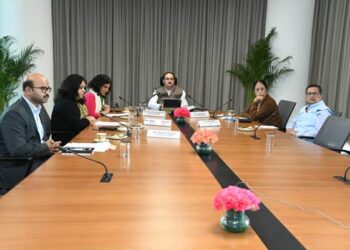
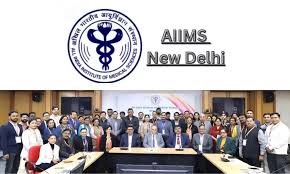
Dr Singhal shared these details at national brainstorming session on skin banking and skin donation organised by the Department of Plastic, reconstructive and Burns Surgery at AIIMS Delhi, along with Organ retrieval Banking Organisation (ORBO).
The meeting brought together burns and plastic surgeons, ORBO, NOTTO, hospital administrators, faculty from Anatomy and Forensic Medicine, NGOs, nurses and technicians, with participation from 22 skin banks across India. The objective was to review current practices and develop strategies to strengthen skin banking services nationwide.
Prof. Aarti Vij from ORBO emphasized key challenges that need to be addressed, including raising awareness about skin donation, training retrieval teams, ensuring proper infrastructure for skin banks, integrating skin donation with existing organ donation networks, and investing in technology and research.
According to the experts, harvested skin can be stored for up to five years and is obtained from deceased individuals following post-mortem examinations. However, skin is not procured from individuals who had HIV, cancer, or hepatitis.
The skin from a single deceased body has the potential to save the lives of two individuals. The preferred donor site is the thigh, and one of the remarkable advantages of skin donation is that there is no requirement for HLA matching.
Equipped with state-of-the-art facilities including a walk-in refrigerator, dermatomes, incubator, shaker, and biosafety cabinet with laminar flow, the skin bank at AIIMS was set up in 2023.
According to doctors at AIIMS, an average-built person’s body can yield up to 3000 sq cm of skin. Therefore, a raw area covering 30% of the total body surface area (TBSA) would typically require around 1000 to 1500 sq cm of graft. Consequently, a single donation can save the life of at least one burn victim, and potentially more, including pediatric burn victims.
Any individual above 18 years of age can donate their skin within six hours of death, provided they do not suffer from conditions such as HIV, Hepatitis B & C, STDs, generalised infection and septicemia, skin infection, malignancy, or evidence of skin cancer.
The skin extraction process primarily focuses on the back, thighs, and legs of the deceased. It is worth noting that there is no bleeding during the skin harvesting procedure, and utmost respect is given to the body, with the harvested areas properly treated and covered before being handed over to the family members.
Dr Anil Kumar, Director, NOTTO, presented the national registry for skin donation and transplantation, designed as a central portal for skin donation and banking, and clarified policy issues such as Licensing criteria for skin banks and collection centres.
Skin bank representatives shared their data, SOPs, operational models, and key challenges, through these exchanges, centres were able to clarify operational doubts, learn from each other’s innovations, and offer constructive suggestions for streamlining processes and improving quality standards.
Dr Sunil Keswani, Director, National Burns Centre, Mumbai, shared SOPs and lessons from over 17 years of skin banking experience, focusing on quality assurance.
Major challenges identified included low public awareness, limited funding and institutional support, and logistical constraints in retrieving skin from distant locations within the optimal six-hour window. Participants recommended developing a national network of skin collection and banking centres to enable coordinated, timely response and better utilisation of donations.
The sessions were moderated by Dr Shivangi Saha, Assistant Professor, Plastic, Reconstructive and Burns Surgery, along with Dr Nandini Tanwar and Dr Manju R.
The meeting concluded with consensus on a set of action-oriented recommendations to streamline operations, enhance donation, and improve the quality and reach of skin banking services across the country.