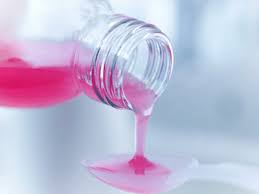
NEW DELHI: In the aftermath of multiple child deaths linked to contaminated cough syrups, the Union Health Ministry has proposed amending the Drugs Rules, 1945, to bring cough syrups under a prescription-only regime, ending their over-the-counter sale.
The move follows the deaths of more than 20 children in Madhya Pradesh and earlier fatalities reported abroad that were allegedly caused by Indian-manufactured cough syrups contaminated with toxic substances. Public health authorities have repeatedly cautioned against the unrestricted availability of such medicines, particularly for children.
The draft amendment seeks to remove the term “syrup” from Entry No. 7 under Serial No. 13 of Schedule K, which currently exempts certain household medicines from prescription requirements. Schedule K includes products such as aspirin and paracetamol tablets, analgesic balms, and cough preparations that may be sold without a doctor’s prescription.
At present, Entry No. 7 allows the sale of “syrups, lozenges, pills and tablets for cough” without medical supervision. The proposed change would retain exemptions for lozenges, pills and tablets, while placing cough syrups firmly under prescription control.
The draft rules have been notified in the Official Gazette and will be open to public objections and suggestions for 30 days, after which the Central government will take a final view.
The proposal is in line with earlier advisories issued by the Health Ministry after the Madhya Pradesh incident, which directed doctors not to prescribe cough and cold medicines to children below two years of age. Such medicines are also not recommended for children under five, and any use in older children must be based on careful clinical assessment, strict dosing, and close supervision.
Health officials said the removal of cough syrups from Schedule K would reduce the risk of misuse, overdose, and exposure to substandard or contaminated formulations by ensuring access only through qualified medical practitioners.
The move also reflects the recommendations of the Drugs Consultative Committee (DCC), which advises the Centre and States on uniform enforcement of drug regulations. At its meeting on November 17, 2025, chaired by Drugs Controller General of India (DCGI) Dr. Rajeev Singh Raghuvanshi, the DCC approved the proposal to withdraw the Schedule K exemption for cough syrups.
The Committee examined recent contamination-related incidents and expressed concern over the use of propylene glycol in oral liquid formulations and its toxic impurities — diethylene glycol (DEG) and ethylene glycol (EG). Such impurities have been linked to paediatric deaths in India and abroad.
The DCC noted that several oral liquid medicines are manufactured using high-risk solvents, increasing the likelihood of DEG or EG contamination. It discussed the need to shift towards safer alternative excipients, particularly in medicines meant for children.
The Committee recommended that the Central Drugs Standard Control Organisation (CDSCO) hold consultations with industry stakeholders to identify formulations using high-risk solvents and determine further regulatory action.
DEG contamination was confirmed in cough syrup samples linked to the Madhya Pradesh deaths. In an earlier incident, the World Health Organization had, in 2022, linked the presence of DEG in Indian-exported cough syrups to child deaths in The Gambia.
Following the Madhya Pradesh incident, samples of Coldrif cough syrup manufactured by Sresan Pharma in Kanchipuram, Tamil Nadu, were found to contain DEG beyond permissible limits. The Central drug regulator has recommended cancellation of the company’s manufacturing licence and initiated criminal proceedings.
In response, the CDSCO has directed State and Union Territory drug controllers to strictly enforce testing of raw materials and excipients before manufacturing and batch release. Manufacturers have also been reminded of their obligation to test every batch of raw materials and finished products and maintain detailed records, as mandated under the Drugs Rules.
The DCGI has further stressed the need for robust vendor qualification systems and sourcing of raw materials only from approved and reliable suppliers, underscoring that patient safety remains the foremost priority.
In case of any query, kindly mail to jyotiarchana01@gmail.com
#dcgi #coughsyrup #drug #rules #madhyapradesh #worldhealthorganisation #who