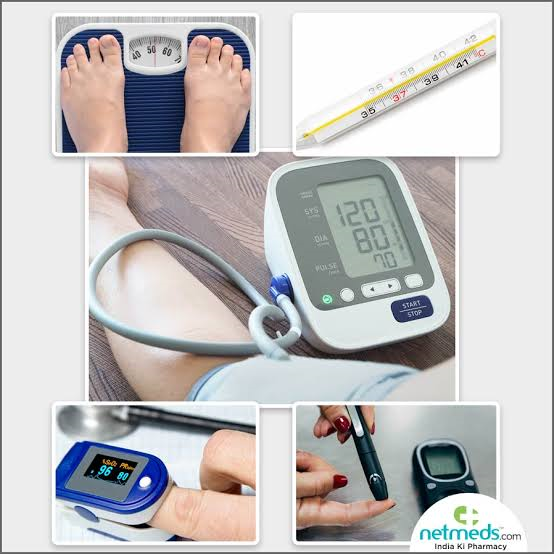
NEW DELHI: Several medical devices used at home, including blood pressure monitors, pulse oximeters, thermometers and glucometers, may soon be exempt from sale-licence requirements, following a recommendation by the Drugs Technical Advisory Board (DTAB).
At its 94th meeting, the Board, a highest decision making government body for drugs and medical devises, proposed expanding the exemptions under the Medical Devices Rules, 2017, to cover a wider range of first-aid and self-testing products. It also recommended exemptions for small quantities of medical devices brought in for display and demonstration at exhibitions.
The proposals are intended to ease regulatory requirements for products commonly used by consumers and for limited, non-commercial purposes. The recommendations, however, do not mean that these devices would be outside the regulatory framework altogether.
The Eighth Schedule of the Medical Devices Rules currently specifies categories of devices exempt from certain provisions of Chapter XI, which governs sale-licence requirements. The existing exemption includes certain medicated dressings and bandages used for first aid, provided they are manufactured by licensed manufacturers.
DTAB has recommended extending the exemption to include urine pregnancy test kits, glucometers, blood pressure monitors, pulse oximeters and thermometers. The proposed list also covers first-aid kits containing bandages, cotton gauze, resuscitation masks, adhesive tape and thermometers, along with absorbent cotton wool, gauze and adhesive plaster.
The proposed expansion reflects the growing use of such products outside hospitals and clinics. The Board’s recommendation could reduce regulatory requirements for their supply for routine consumer use, subject to the conditions prescribed under the rules.
DTAB has also recommended easing requirements for imported first-aid kits intended exclusively for use by industries that are not healthcare providers. These could include automobile companies and hospitality establishments that maintain kits for employees and workplace emergencies, but do not intend to sell or distribute them.
The Board considered representations seeking exemption from import-licence requirements under Chapter V and sale-licence requirements under Chapter XI of the rules.
The Board said in the minutes of its meeting, “DTAB opined that, in order to ease the process of import of these first aid kits from the point of view of Ease of Doing Business, such kits may be exempted from the requirements of Chapter V of the Medical Devices Rules, 2017, which require them to be covered by a license for import, as well as the requirements of Chapter XI of these Rules, which require them to be covered by a sale license…..”
The proposed exemption for imported kits would be subject to safeguards. They must have at least 60% of their shelf life remaining at the time of import and comply with applicable standards. They would be meant strictly for captive consumption and could not be resold or distributed.
The proposals had earlier been deliberated upon by the Medical Device Technical Advisory Group (MDTAG) at its meeting on May 14, 2026.
The Eighth Schedule already provides exemptions for certain devices supplied by government and local-body hospitals and dispensaries, as well as mechanical contraceptives, subject to specified conditions. Another provision permits small quantities of medical devices donated to charitable hospitals for free treatment to be imported without an import licence, provided the Central Licensing Authority issues a no-objection certificate.
The latest recommendations would expand this existing exemption framework rather than remove medical devices from regulation. If accepted and implemented, they could simplify the supply of commonly used home-testing and first-aid products and reduce compliance requirements for organisations importing kits solely for workplace use.
Ends