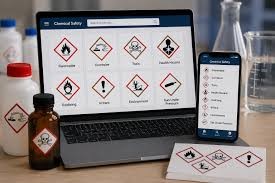
NEW DELHI: The Central Consumer Protection Authority (CCPA) has initiated action against the unauthorised online listing, advertisement and sale of hazardous chemicals and explosive substances on e-commerce platforms, raising concerns over the ease with which potentially dangerous materials can be accessed through digital marketplaces.
It has issued notices to eight e-commerce entities after identifying listings of regulated substances that could pose significant risks to public safety and national security if sold without adequate safeguards, verification procedures and regulatory oversight.
The move comes amid growing concerns that online platforms may inadvertently provide access to chemicals and explosive precursors that are subject to strict controls under Indian law. Such substances, if obtained through unauthorised channels, could be misused or handled improperly, increasing the risk of accidents and unlawful activities.
Among the materials flagged by the authority are ammonium nitrate, gunpowder, picric acid and pentaerythritol tetranitrate (PETN), all of which are regulated, restricted or prohibited under various laws governing explosives and hazardous substances. These chemicals have legitimate industrial, scientific and commercial applications but require stringent controls over their storage, transportation and sale.
The CCPA observed that unrestricted online access to such materials could expose consumers to serious safety hazards while also creating avenues for unauthorised procurement. It stressed that digital platforms and intermediaries have a responsibility to ensure compliance with applicable laws before allowing such products to be listed or sold.
Officials said online marketplaces are expected to exercise due diligence and establish robust verification mechanisms to prevent the sale of regulated substances to unauthorised individuals or entities.
As part of its intervention, the authority held discussions with officials of the Petroleum and Explosives Safety Organisation (PESO), the statutory body responsible for regulating explosives and hazardous substances in the country. The meeting examined the existing regulatory framework and explored measures to strengthen oversight of online transactions involving sensitive materials.
The CCPA has also shared details of sellers identified by e-commerce companies with PESO for examination and appropriate action under relevant laws,, as per a government statement here recently.
Following the authority’s intervention, several e-commerce platforms have reportedly begun removing, blocking or delisting advertisements and product listings related to hazardous chemicals and explosive substances. The development highlights the growing role of regulatory agencies in ensuring that digital marketplaces adhere to safety standards and legal requirements.
The action is significant because online commerce has expanded rapidly in recent years, making a wide range of products accessible to consumers across the country. While this has enhanced convenience, regulators have increasingly emphasised the need to balance ease of access with consumer safety, particularly in the case of products that could cause harm if misused, said the statement.
The CCPA derives its powers from the Consumer Protection Act, 2019, which came into force in July 2020 and replaced the Consumer Protection Act of 1986. Established under the new law, the authority is mandated to protect, promote and enforce consumer rights, prevent unfair trade practices and curb misleading advertisements.
Unlike the earlier framework, the 2019 Act provides the CCPA with wide-ranging powers to intervene in matters affecting consumers as a class. The authority can initiate inquiries on its own, order the recall of unsafe products, direct reimbursement to consumers, impose penalties and seek discontinuation of practices considered unfair or harmful to consumer interests.
The law also created a dedicated investigation wing headed by a Director General to probe violations of consumer protection norms.
One of the notable features of the legislation is the authority’s ability to initiate class action proceedings. This allows it to address issues that affect large groups of consumers rather than requiring individuals to pursue separate complaints. The provision was introduced to tackle widespread unfair trade practices and misleading claims that often escaped scrutiny under the earlier legal framework.
Consumer protection experts say the latest action reflects the evolving responsibilities of regulators in the digital age. As online marketplaces become a major channel for the sale of goods, ensuring compliance with safety regulations has become increasingly important.
For more query, contact indiahealthbuddy@gmail.com