NEW DELHI: India’s emergence as the “pharmacy of the world” has been built on its ability to supply affordable generic medicines and vaccines across the globe. However, a new report by NITI Aayog has underscored a critical weakness that continues to shadow the country’s pharmaceutical success story — a heavy dependence on China for the active pharmaceutical ingredients (APIs) that form the backbone of medicine manufacturing.
The report suggests that if India wants to secure its pharmaceutical future and insulate itself from global supply disruptions, achieving greater self-reliance in drug ingredients must become a national priority.
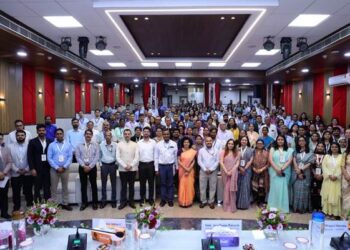
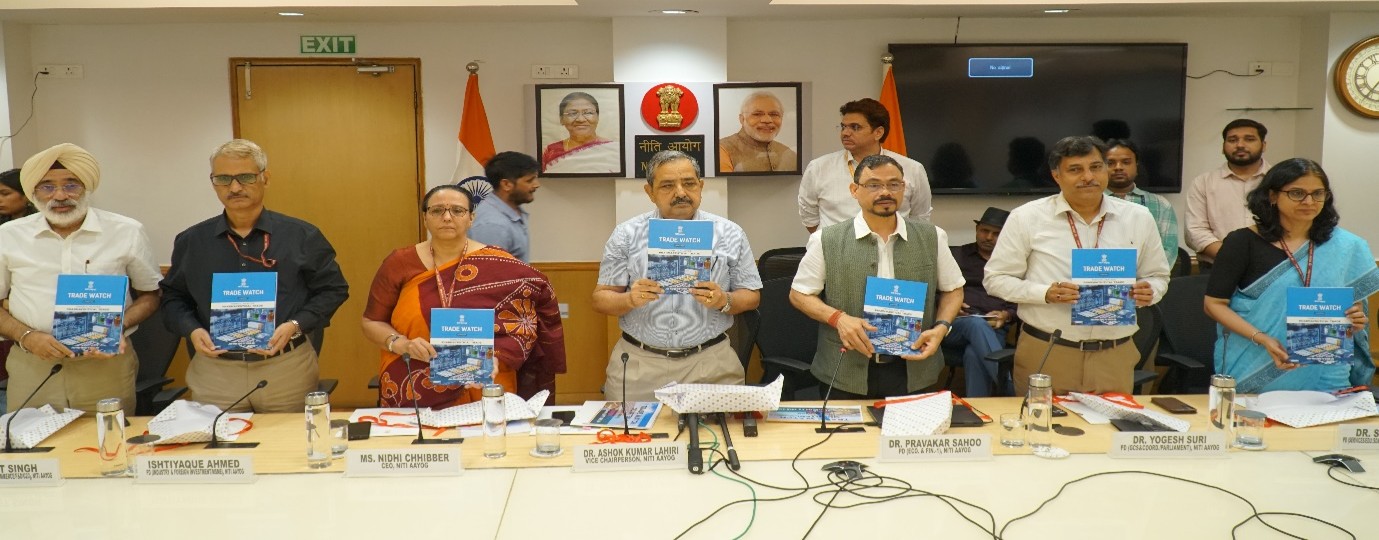
The latest edition of Trade Watch Quarterly, released by NITI Aayog Vice-Chairman Ashok Kumar Lahiri, shows that despite significant gains in pharmaceutical exports and improvements in some specialised chemical intermediates, India’s API supply chain remains overwhelmingly dependent on imports, particularly from China.
According to the report, India imported APIs worth USD 7.4 billion in 2025. Of this, the top five API categories alone accounted for USD6.2 billion, or nearly 84% of total imports. China remained the dominant supplier in every major category, accounting for between 65% and 86% of imports.
“The top five supplying countries accounted for over four-fifths of imports across the leading API categories, with China serving as the principal source,” the report noted.
The findings highlight a paradox at the heart of India’s pharmaceutical industry. While the country exports medicines to more than 200 countries and is among the world’s largest producers of generic drugs, it continues to rely on foreign suppliers for many of the essential raw materials needed to manufacture those medicines.
Nitrogen heterocyclic compounds emerged as the largest API import category, accounting for USD2.3 billion, or nearly one-third of total API imports. Antibiotics followed at USD1.9 billion, representing more than a quarter of India’s API import basket. Amino compounds contributed 11.5%, while oxygenated carboxylic acids and oxygen-containing heterocyclic compounds accounted for about 7% each.
Together, the top two categories constituted nearly 58% of India’s API imports, indicating a significant concentration in a limited range of pharmaceutical inputs.
The report points out that China’s dominance is particularly pronounced in critical therapeutic segments. China supplied 76.4% of India’s imports of nitrogen heterocyclic compounds and an even higher 86.1% of antibiotic imports. In most other major API categories, Chinese manufacturers controlled more than two-thirds of the market.
According to NITI Aayog, this dominance is rooted in China’s large-scale manufacturing capacity, integrated chemical production ecosystem and strong cost competitiveness.
The report notes that APIs sourced from China are estimated to be 35% to 40% cheaper than those manufactured domestically. This substantial price difference has made it difficult for Indian manufacturers to compete, leading over the years to the closure of several domestic API production facilities and increasing dependence on imports.
The findings come despite a series of policy measures introduced by the Government to encourage domestic manufacturing. These include Production-Linked Incentive (PLI) schemes, the establishment of bulk drug parks and initiatives aimed at promoting indigenous production of APIs, key starting materials and drug intermediates.
Industry experts have repeatedly warned that excessive dependence on a single country for pharmaceutical raw materials poses strategic and public health risks. The COVID-19 pandemic and subsequent disruptions in global supply chains exposed vulnerabilities that could potentially affect the availability of essential medicines during emergencies.
The report also highlights the broader transformation taking place in the global pharmaceutical landscape. Worldwide demand for pharmaceuticals and APIs is estimated at approximately USD1.3 trillion in 2025, while India’s pharmaceutical and API exports reached USD35.8 billion.
India continues to occupy a pivotal position in global healthcare by supplying affordable medicines and vaccines. However, much of this success remains concentrated in formulations and generic drugs rather than in high-value innovation-driven segments.
The report notes that the future of the pharmaceutical industry increasingly lies in biologics, immunological products, advanced therapeutics and biotechnology-based medicines. India’s presence in these areas remains relatively limited compared to established global leaders.
“Although the sector’s growing participation in global value chains is evident from rising domestic value addition, strengthening domestic capabilities in critical APIs, key starting materials, and biotechnology inputs remains essential to improving supply chain resilience and reducing import dependence,” the report said.
India’s pharmaceutical sector contributes more than 1.7% to the country’s Gross Domestic Product and accounts for 7.2% of manufacturing gross value added. It also supports nearly 2.7 million jobs. Telangana, Gujarat and Maharashtra continue to drive much of the industry’s growth through strong manufacturing ecosystems and globally competitive pharmaceutical clusters.
Releasing the report, Lahiri stressed that the next phase of growth would require India to move beyond export success and focus on building deeper domestic capabilities.
“As global trade undergoes structural shifts, India’s ability to diversify its export base while strengthening domestic capabilities in key sectors will be critical to sustaining growth and enhancing resilience,” he said.
“The pharmaceutical sector illustrates both India’s strengths and future opportunities. While India has emerged as a leading supplier of generic medicines to the world, the next phase of growth will depend on moving towards innovation-driven segments, strengthening domestic production of critical inputs, and improving access to global markets,” said Lahri
For queies, kindly contact indiahealthbuddy@gmail.com