NEW DELHI: As Indian cities grapple with rising heat, water stress, flooding and growing mountains of waste, a new experiment in Indore is putting young people directly into the machinery of urban climate action — not merely asking them for suggestions.
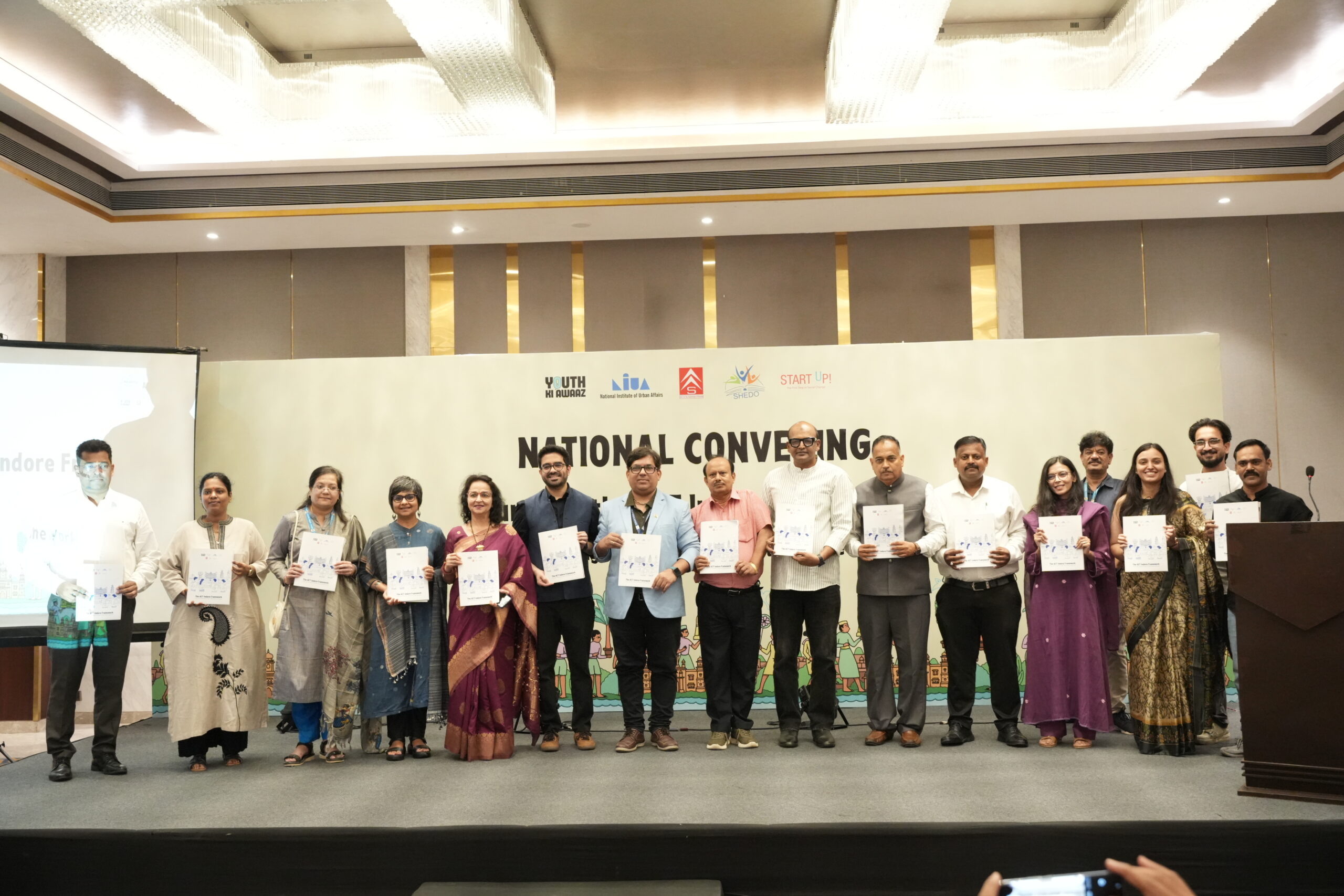
The ACT Indore Framework, launched recently, is the first city-level implementation of the national YouthACT Framework, developed by Youth Ki Awaaz (YKA) and the National Institute of Urban Affairs (NIUA) in 2024. The model seeks to create a formal channel through which young people can identify climate-related problems in their neighbourhoods, collect evidence and take their concerns to municipal authorities.
The initiative is significant for India, which has one of the world’s largest youth populations and is urbanising rapidly. Yet young residents, particularly those living in underserved communities, have generally had limited formal avenues to influence decisions on issues that directly affect their lives — from extreme heat and water availability to sanitation and waste management.
Indore is now being positioned as a model that other cities can adapt to their own wards and municipal systems.
The framework was put into practice through six months of field work by 50 Indore Climate League fellows, drawn from climate-vulnerable and underserved communities across all 85 wards of the city. Working with the Indore Municipal Corporation (IMC), the fellows conducted field research, engaged with residents and documented local problems before taking their findings to government departments, as per a statement issued here by YKA.
Three issues emerged repeatedly — waste, water and heat. The field work also showed how these problems overlap with health, gender and living conditions, particularly in informal settlements, it said.
The fellows were not limited to documenting problems. They participated in malaria awareness campaigns with the IMC Health Department and took part in street plays under the Jal Ganga Samvardhan Abhiyan.
“Young people are not just beneficiaries but partners, knowledge holders and changemakers of the city. Their participation and perspectives can help shape more inclusive and effective urban solutions,” said Prof Debolina Kundu, Director, NIUA.
For municipal authorities, the model could provide a wider network of people observing climate and civic problems on the ground. Instead of relying only on periodic surveys or consultations, officials can receive information gathered directly from neighbourhoods.
“Youth and the government system can work together to achieve a shared vision. IMC has a special focus on engaging youth, and their insights and analytics can help us better understand challenges, shape solutions and take them forward for discussion and implementation,” added Sumit Asthana, Executive Engineer, IMC.
The experiment also comes at a time when climate impacts are becoming increasingly difficult for cities to treat as an environmental issue alone. Heat can worsen health risks, water shortages can affect hygiene and livelihoods, while poor waste management can contribute to disease and environmental degradation. These impacts are often felt most sharply by people living in vulnerable settlements.
Anshul Tewari, founder and CEO of YKA, said the framework was intended to integrate young people into urban local governance rather than treating them as participants in one-off programmes.
“ACT Indore paves the way for young people to be truly integrated in urban local governance,” he said, adding that the fellows could serve as the “eyes and ears” of the municipal corporation by identifying emerging problems and taking them to the relevant departments.
The Indore model is being implemented by YKA with SHEDO, AAs Indore and StartUp!, in partnership with NIUA.
The broader YouthACT Framework was developed to address a gap in urban governance: while young people are among those most exposed to the consequences of decisions on the future of cities, there are few institutional mechanisms through which their experiences can consistently feed into policymaking.
The Indore pilot therefore seeks to test whether such participation can become part of the regular functioning of an urban local body.
“If the mechanism succeeds in creating that link, its relevance could extend beyond Indore. Other cities facing similar pressures could adapt the framework to their own wards, departments and local climate priorities,” said the statement.