NEW DELHI: Tackling a tuberculosis (TB) burden of nearly 3.7 million new cases and 4.33 lakh deaths a year, expanding access to specialised healthcare and deciding how AI and digital technologies can be used to strengthen health systems will be among the key issues before health ministers of the WHO South-East Asia Region next week.
Health ministers and senior officials from countries in the region will meet in Dili, Timor-Leste, from September 7 to 10 for the 79th Session of the WHO Regional Committee for South-East Asia. The region is home to nearly 2 billion people, making decisions taken at the annual meeting significant for some of the world’s largest and most diverse health systems.
Tuberculosis is expected to be a major focus. According to WHO estimates cited for the meeting, the region recorded 3.68 million new TB cases and 4.33 lakh deaths in 2024, underlining the scale of the challenge despite progress in diagnosis and treatment.
Member States are expected to discuss ways to close remaining gaps in TB control, including earlier diagnosis, prevention and better integration of TB services into primary healthcare. The emphasis is likely to be on reaching people who continue to be missed by existing health systems.
The meeting will also examine a problem that is becoming increasingly important as populations age and healthcare needs become more complex — access to specialised care.
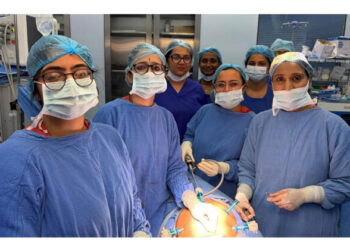
A ministerial round table on ‘Human Resources for Health: Equity in Specialised Care’ will look at how countries can improve the availability and distribution of specialised health services. The issue is particularly relevant for countries where specialist doctors and advanced healthcare facilities remain concentrated in major cities.
Digital health and artificial intelligence will form another important part of the agenda. Countries will discuss how emerging technologies can be used to expand access, improve health-system efficiency and support progress towards universal health coverage.
The discussion comes as health systems are increasingly experimenting with digital platforms, remote consultations, electronic health records and AI-supported tools. The challenge, however, is to ensure that such technologies improve access and quality of care without widening existing inequalities.
The regional panel will also review progress towards universal health coverage (UHC) and health-related Sustainable Development Goals. Strengthening primary healthcare, improving quality of care and ensuring financial protection for patients will remain central to these efforts.
The region has made progress on communicable diseases, with more than 35 disease-elimination milestones achieved since 2014. But WHO said countries still need to focus on the remaining 2030 elimination targets, particularly in communities that are difficult to reach.
The meeting is also expected to address the availability and quality of medical devices and diagnostics.
Countries will consider a life-cycle approach to medical devices—from selection and procurement to use, maintenance and eventual replacement. This is important because simply procuring advanced equipment does not guarantee access to quality healthcare if facilities lack trained personnel, maintenance systems or adequate supply chains.
Another concern on the agenda is the resilience of health facilities to emergencies and climate-related risks.
Hospitals and other health facilities are increasingly required to remain operational during extreme weather events, outbreaks and other emergencies. Strengthening infrastructure and preparedness will therefore be discussed alongside the need to maintain essential health services during crises.
The annual meeting is the principal governing-body meeting of WHO in the region and brings together health ministers and senior officials from member states. WHO Director-General Tedros Adhanom Ghebreyesus, Office-in-Charge for WHO South-East Asia Nilesh Buddha and other senior WHO officials are expected to participate.
For the region, the discussions come at a time when health systems are facing multiple pressures simultaneously — infectious diseases such as TB, growing demand for specialised care, workforce shortages, technological change and climate-related threats.
The challenge will be to ensure that advances in one area do not come at the cost of another. Digital tools and specialised services, for instance, will have limited impact if primary healthcare and financial protection remain weak.
The four-day meeting in Dili is expected to help set the regional health agenda for the coming years, with countries seeking to accelerate progress towards universal health coverage and the health-related Sustainable Development Goals while ensuring that the benefits of new technologies and specialised healthcare reach vulnerable populations.