New Delhi: With non-communicable diseases accounting for nearly 63% of deaths in India, the Union Health Ministry has called for stronger patient safety measures across the prevention, diagnosis, treatment and long-term management of these conditions.
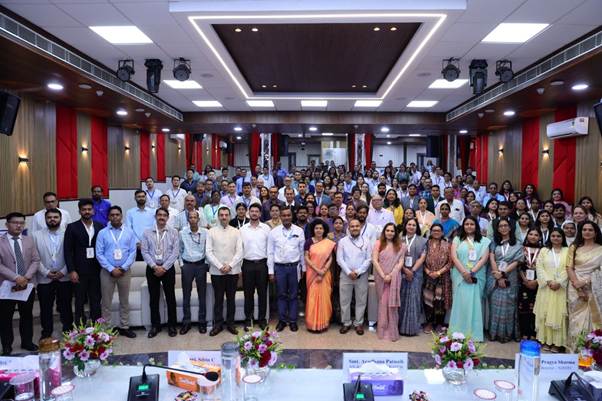
The call came at the national observance of World Patient Safety Day 2026 at the National Institute of Health and Family Welfare (NIHFW) in the national capital. This year’s theme is “Safe Care for Noncommunicable Diseases (NCDs)”.
Additional Secretary and Mission Director, National Health Mission, Aradhana Patnaik, said patient safety cannot be confined to one programme or department. It needs to be built into every level of the health system.
“Nearly 63% of all deaths in India are attributed to NCDs,” she said, underlining the need to make safety a central part of NCD care.
Patnaik also pointed to the growing role of public health facilities in delivering essential services. According to NFHS-6 data cited by the ministry, 96% of immunisations and 90.6% of institutional deliveries are taking place through public health facilities.
She stressed that the next step should be to strengthen quality systems within these institutions. Referral pathways and continuity of care need particular attention so that patients reach the right facility without delay.
The ministry has also asked States and Union Territories to draw up a clear roadmap to achieve 100% National Quality Assurance Standards (NQAS) certification of Ayushman Aarogya Mandir Sub Health Centres by March 2027. Primary Health Centres are to follow.
The target is part of a broader effort to make quality assurance a routine part of healthcare delivery rather than a one-time exercise.
The technical session focused on some of the key safety concerns in NCD care. Experts discussed the burden of avoidable harm, safer clinical pathways, medication safety and the role of digital health.
Co-morbidities were another focus. Patients with diabetes, hypertension, heart disease and other chronic conditions often require care from multiple services. Gaps in communication, referrals or follow-up can affect treatment and outcomes.
Digital tools could help bridge some of these gaps by improving access to medical information, referrals and follow-up, participants noted.
The programme also highlighted examples from States. Jharkhand presented its model for comprehensive screening of older people for diabetes and hypertension. Kerala shared its Hridhyaragam initiative for NCD prevention and control. Rajasthan showcased SETU, its online referral application.
The examples highlighted how States are adapting patient safety and quality improvement measures to local needs.
India has been developing a wider institutional framework for healthcare quality through the NQAS and the National Patient Safety Implementation Framework. The government said such measures are intended to strengthen safety across different levels of care.
World Patient Safety Day is observed every year on September 17. It was established following its adoption by the World Health Assembly and aims to build public awareness and encourage action on patient safety.
The 2026 theme, “Safe Care for Noncommunicable Diseases”, draws attention to the risks faced by patients who require care over long periods.
Unlike many acute illnesses, NCDs often involve repeated consultations, investigations, prescriptions and referrals. This makes coordination and continuity important parts of safe care.
The Delhi event brought together policymakers, clinicians, public health experts, quality managers, development partners and representatives from States and Union Territories.