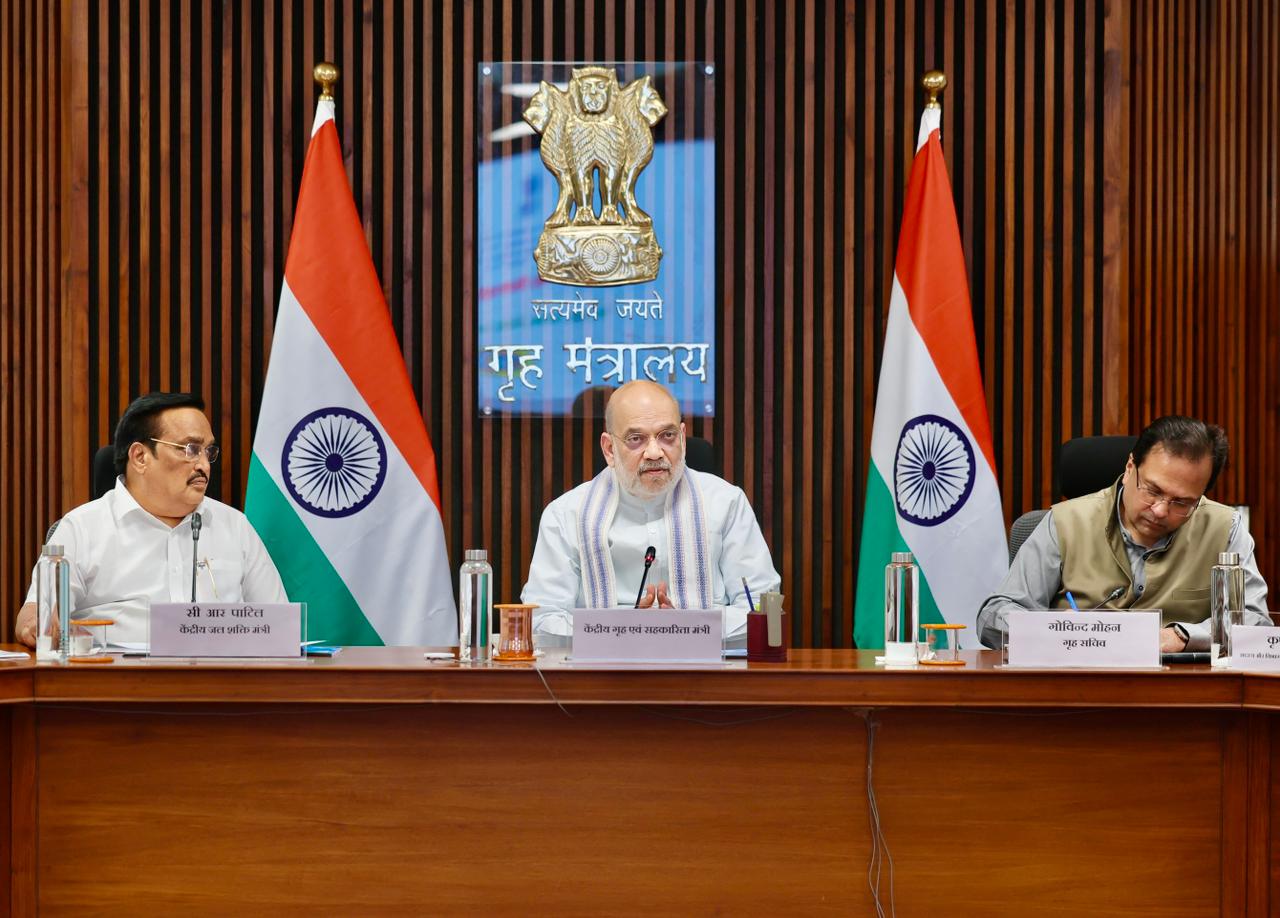
NEW DELHI: With climate change intensifying the risk of floods, glacial lake outburst floods (GLOFs), heat waves and erratic rainfall patterns across India, Union Home Minister Amit Shah has stressed the need for a stronger and more integrated disaster preparedness system, including the development of early warning mechanisms for at least 60 high-risk lakes in the Himalayan region.
Chairing a high-level review meeting in New Delhi on the country’s preparedness for floods and heat waves, Shah also called for a national master plan to address changing weather patterns and increasing disaster-related challenges arising from climate change through a “Whole of Government” and “Whole of Society” approach.
Shah said vulnerable glacial lakes in Jammu & Kashmir, Ladakh, Uttarakhand, Himachal Pradesh, Arunachal Pradesh and Sikkim pose a growing threat due to rising temperatures and accelerated glacier melt.
“Efforts should be made to develop an early warning system for at least 60 high-risk lakes,” Shah said, while reviewing the existing plan to establish warning systems for 30 such lakes with the support of the National Disaster Management Authority.
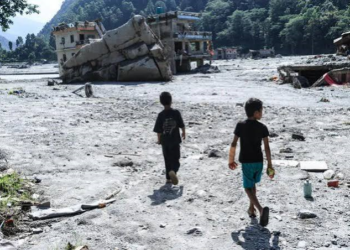
Experts have repeatedly warned that rapidly expanding glacial lakes in the Himalayas could trigger devastating flash floods downstream, threatening mountain communities, hydropower projects, roads and critical infrastructure. The 2023 South Lhonak Lake outburst in Sikkim and recurring flash floods in Himachal Pradesh and Uttarakhand have underlined the increasing vulnerability of Himalayan states to climate-linked disasters.
Shah also called for the establishment of an integrated flood forecasting system at both Central and State levels to ensure timely dissemination of warnings and coordinated disaster response.
“Weather forecasts and warnings should be disseminated widely and effectively,” he said, emphasising that early communication at the grassroots level remains critical in reducing casualties during extreme weather events.
The Union Home Minister directed all States to constitute and operationalise Flood Crisis Management Teams (FCMTs) to improve preparedness and emergency response during the monsoon season. He noted that the guidelines issued by the NDMA for floods, forest fires and heat waves had strengthened awareness and promoted a “Whole of Government” approach to disaster management.
However, he stressed that implementation at the State, district and municipal levels required closer monitoring. Shah said the NDMA should conduct a study to assess how effectively States are complying with directives issued by the Ministry of Home Affairs and national disaster management guidelines.
Referring to the Centre’s broader disaster mitigation strategy, Shah said that under the leadership of Prime Minister Narendra Modi, the government was working towards the vision of “Zero Casualty Disaster Management”.
He underlined the importance of water conservation measures such as check dams and water storage projects, stating that they could simultaneously improve groundwater recharge and help reduce the impact of heat waves.
“Our objective should be to conserve water by constructing check dams on rivers while also minimizing the impact of heat waves,” he said.
The Home Minister also advocated a more comprehensive environmental approach through the utilisation of the Compensatory Afforestation Fund Management and Planning Authority (CAMPA) Fund to strengthen ecological balance and climate resilience.
He advised ministries and departments to focus on improving and integrating existing digital platforms and applications instead of creating multiple new portals, noting that streamlined systems would improve coordination and efficiency during emergencies.
Shah also sought improvements in monsoon assessment systems by analysing casualties, forecast accuracy and damage to agriculture during previous monsoon seasons.
The meeting was attended by Union Jal Shakti Minister C. R. Patil, senior officials from the Ministries concerned, members of the NDMA, the Director Generals of the National Disaster Response Force and IMD, besides representatives from the National Highways Authority of India, the Central Water Commission and the National Remote Sensing Centre.
#ndma #imd #disaster #forecast #amitshah #zerocasualty #umionjalshaktiminister #amitshah #homeminister #mhai #cwc #glaciallakes #extremeweather #expandedearlywarningsystems
For any query, kindly contact indiahealthbuddy@gmail.com