NEW DELHI: With more older people living alone or needing assistance with everyday activities, India’s challenge is no longer limited to extending their lifespan.
It is also about ensuring that they can age with dignity, safety and emotional security. Recognising this need, the National Institute of Social Defence (NISD), under the Union Ministry of Social Justice and Empowerment, has launched a five-day geriatric care training programme in Diu to strengthen support for senior citizens at the community level.
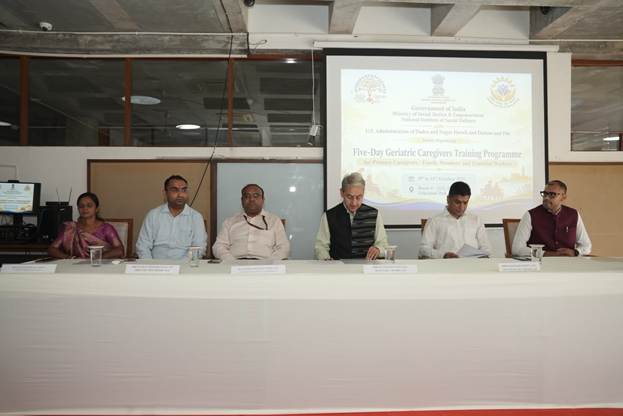
Union Secretary for Social Justice and Empowerment Sudhansh Pant recently inaugurated the programme at the Education Hub in Kevdi, Diu. Organised in collaboration with the Office of the Collector, Diu, and the Union Territory administration of Dadra and Nagar Haveli and Daman and Diu, the initiative aims to train around 50 Anganwadi workers, frontline workers and grassroots-level functionaries to provide basic care and identify older people who need additional support.
The initiative addresses an important gap in elderly care. While hospitals and specialised facilities are necessary for older people with complex medical needs, many senior citizens require regular assistance with daily activities, access to government services and emotional support.
These needs can often go unnoticed, particularly among people living alone, those with limited family support and those in remote communities.
The programme seeks to create a locally available pool of trained personnel who can recognise the changing physical, psychological and social needs of older people, according to a statement here from the Ministry.
Participants will learn basic caregiving skills, identify warning signs that require medical attention and guide senior citizens towards appropriate healthcare facilities and government welfare schemes.
Speaking at the inauguration, Pant said the initiative seeks to equip frontline functionaries to provide basic geriatric care, identify emerging care requirements, facilitate access to government schemes and extend emotional and psychosocial support to senior citizens.
He said the training had been tailored to the needs and circumstances of Diu, with an emphasis on strengthening locally available support systems.
The approach is significant because elderly care extends beyond treating illnesses. Older people may need help with bathing, dressing, mobility, medication routines and nutrition. Some may experience loneliness, social isolation, memory-related difficulties or declining physical strength. Without timely support, these challenges can affect their independence and quality of life, said an official from the Ministry.
The training will cover personal hygiene, nutrition and hydration, mobility assistance, safe transfer techniques, fall prevention and home safety. Participants will also receive orientation on basic first aid, common emergencies, dementia awareness and communication with older people who need additional assistance.
Another important component is identifying and reporting neglect, abuse and exploitation of senior citizens. Older people who depend on others for daily care can be particularly vulnerable when they lack supportive family networks or have limited access to public services.
The programme will sensitise participants to the importance of privacy, respect and compassionate care. It will also help them understand the roles of families, communities and frontline caregivers in protecting older people’s rights and well-being.
Loneliness and social isolation will receive attention alongside physical health. Regular interaction, reassurance and community participation can help older people feel connected and valued, particularly when they live alone or have limited opportunities to engage with others, said the officer.
Participants will also be familiarised with government schemes, institutional mechanisms and support services available to senior citizens. This is important because awareness of welfare provisions does not always translate into access, especially when older people face mobility constraints, difficulties with documentation or a lack of assistance in navigating administrative processes.
The programme will combine lectures with demonstrations, practical exercises, case studies and field-oriented examples. Group discussions and experience-sharing sessions are intended to help participants apply their learning to situations they encounter in their communities.
The initiative also highlights the need to view elderly care as a shared responsibility. Families remain important sources of support, but changing living arrangements and the demands of work can leave some older people without adequate day-to-day assistance. Community-level systems can help bridge this gap without replacing professional healthcare or family involvement.
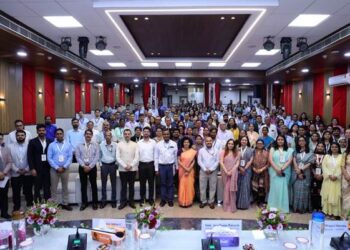
Senior officials, including Joint Secretaries Dr Sandeep R Rathod and Sajeesh Kumar N, NISD Director Gaurav Singh Rajawat and Diu Collector Rahul Dev Boora, attended the inaugural session. Pant also administered the Pledge for Welfare of Senior Citizens to participants.
The programme forms part of NISD’s continuing efforts to build a trained workforce for the care, welfare and protection of older people.
As India responds to the needs of an ageing population, initiatives such as this can help move elderly care closer to where people live. Their larger value will lie in ensuring that older citizens are not left to navigate illness, disability or loneliness alone, but have access to informed, compassionate and timely support within their communities.