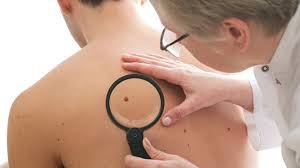
NEW DELHI: A new study from Sweden suggests that artificial intelligence (AI) models can help identify early risk patterns for melanoma, one of the most serious forms of skin cancer, by analysing routinely collected healthcare data at a population scale.
The research, based on nationwide registry data covering the entire adult population of Sweden, demonstrates how existing health records could be used more strategically to flag individuals at higher risk years before diagnosis. The findings open the door to more targeted screening and more efficient use of healthcare resources in the future.
The dataset used in the study included information on age, sex, medical diagnoses, prescribed medications and socioeconomic status. In total, 6,036,186 individuals were analysed, of whom 38,582—about 0.64%—developed melanoma over a five-year period.
Researchers say the scale and depth of the data allowed advanced machine-learning models to detect subtle risk patterns that are not easily visible through traditional clinical assessment.
Martin Gillstedt, doctoral student at the University of Gothenburg’s Sahlgrenska Academy and statistician at Sahlgrenska University Hospital’s Department of Dermatology and Venereology, said the findings highlight the untapped potential of existing healthcare data.
“Our study shows that data which is already available within healthcare systems can be used to identify individuals at higher risk of melanoma,” Gillstedt said. “This is not a form of decision support that is currently available in routine healthcare, but our results give a clear signal that registry data can be used more strategically in the future.”
The study compared multiple AI models to assess their predictive accuracy. The most advanced model was able to distinguish individuals who later developed melanoma from those who did not in around 73% of cases. This compared with about 64% accuracy when only basic demographic factors such as age and sex were used.
When additional variables—including medical history, medication use and socioeconomic indicators—were included, the model was able to identify small high-risk groups with a significantly elevated likelihood of developing melanoma within five years. In some of these groups, the predicted risk reached as high as 33%.
Researchers say this level of precision could eventually allow health systems to move away from broad population-wide screening approaches and instead focus on those most at risk.
The study was led by Associate Professor Dr Sam Polesie of the University of Gothenburg and dermatologist at Sahlgrenska University Hospital. He said the findings could mark an important step toward more personalised cancer prevention strategies.
“Our analyses suggest that selective screening of small, high-risk groups could lead to both more accurate monitoring and more efficient use of healthcare resources. This would involve bringing population data into precision medicine and supplementing clinical assessments,” Polesie said.
Experts involved in the study emphasised that while the results are promising, further validation and policy-level discussions are required before such AI-driven tools can be integrated into routine healthcare systems.
They noted that issues such as data privacy, clinical integration and ethical safeguards will need to be carefully addressed before large-scale deployment.
The study was conducted through a collaboration between the University of Gothenburg and Chalmers University of Technology and has been published in Acta Dermato-Venereologica under the title “Predicting melanoma impact on the Swedish healthcare system from the adult population using machine learning on registry data.”
Researchers believe the approach could eventually extend beyond melanoma to other cancers and chronic diseases, marking a shift towards data-driven, preventive healthcare models powered by AI.
#researchers #artificialintellegence #ai #melanoma #chalmersuniversity #healthcare #sweden #patients #cancer
For any query, contact indiahealthbuddy@gmail.com