As climate warms, insects may run out of places to escape
NEW DELHI: For insects, moving uphill may seem like an obvious way to escape a warming planet. But new research suggests that the higher they climb, the harder survival could become.
Thinner air, lower oxygen levels and reduced atmospheric pressure at higher elevations may prevent many insects from shifting to cooler habitats, researchers have warned. The finding is significant because insects are not just small creatures around us — they are among the most important workers in the natural world.
A review by researchers from the University of Montana, published in the British Ecological Society journal Functional Ecology, examined how low oxygen and low atmospheric pressure affect insects at higher elevations.
The researchers found that several physiological challenges could limit the ability of insects to move uphill as temperatures rise.
“Moving uphill may be more difficult than expected. We think of moving uphill as an ‘escape valve’ for animals but it may not be the solution we hope for,” said Professor Art Woods, lead researcher.
The loss or decline of insects could have consequences far beyond the insect world.
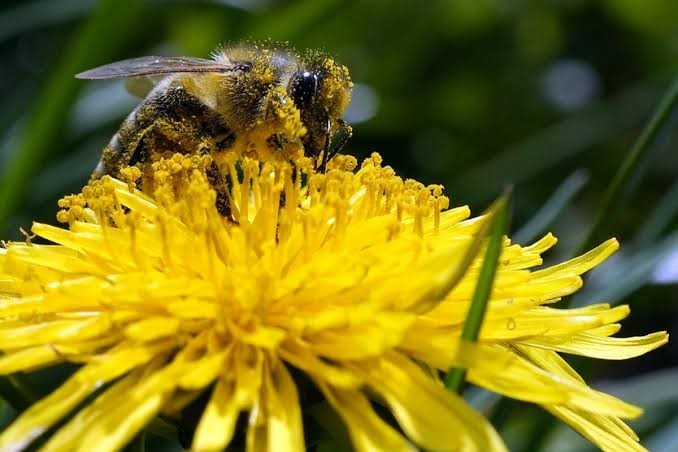
Bees, butterflies, moths and other insects pollinate a large number of flowering plants and crops. Without them, the reproduction of many plants would become more difficult. Farmers also depend on insect pollinators for crops ranging from fruits and vegetables to oilseeds.
Insects are also important decomposers. They break down dead plants and animals and help return nutrients to the soil. They form a major part of food chains, providing food for birds, bats, amphibians, reptiles and other animals.
Some insects also help control pests naturally by feeding on other insects. In this way, they contribute to maintaining the balance of ecosystems.
A decline in insect populations, therefore, could affect agriculture, forests, soil health and wildlife.
As the planet warms, many species are already shifting their ranges towards cooler areas. For insects living on mountains, that can mean moving to higher elevations.
But the new review suggests that the higher they go, the greater the physiological challenges may become.
Flying insects face a particularly difficult problem. Air becomes thinner at higher elevations. This means insects may have to work harder to generate enough lift to fly. At the same time, lower oxygen levels can make it harder for their bodies to supply sufficient oxygen to the muscles needed for flight.
That combination could increase energy demands and limit their ability to fly, feed, reproduce and escape predators.
The problem may not be restricted to adult insects.
Young insects that actively feed and grow, such as caterpillars, also have high energy and oxygen requirements. Aquatic insects, including dragonflies, may face an additional challenge because their larvae already depend on oxygen available in water.
At higher elevations, these limitations can become more severe.
Water loss is another concern. Conditions at high altitudes can increase the risk of insects losing water from their bodies, making survival even more difficult.
The findings highlight a larger problem with how climate change is often understood.
When temperatures rise, it is tempting to assume that animals can simply move towards cooler regions. But species cannot always follow changing temperatures.
Mountains, cities, farms, roads and other human-made barriers can restrict movement. Even where a suitable habitat exists, an animal may not have the physiological ability to reach it.
For insects, oxygen could be one such hidden barrier.
Professor Woods said the researchers were surprised by the extent to which reduced oxygen could affect insects. Their breathing systems are very different from those of humans. Insects take in oxygen through openings in their bodies and transport it through a network of tiny tubes.
It might therefore appear that insects should have little difficulty obtaining oxygen. But experiments suggest otherwise.
Active insects, particularly growing juveniles and flying adults, can have such high oxygen demands that their respiratory systems may struggle to supply enough oxygen, even at relatively modest elevations.
The consequences could eventually reach human beings.
If pollinating insects cannot follow plants into suitable climatic conditions, the timing and effectiveness of pollination could change. Plants may flower at different times, while their insect pollinators may not be able to move or reproduce at the same pace.
That mismatch could affect natural ecosystems and agricultural production.
The issue is especially important as climate change brings more frequent heatwaves, changing rainfall patterns and shifts in growing seasons.
Insects already face multiple pressures, including habitat loss, pesticide exposure, pollution and rising temperatures. Difficulty adapting to higher elevations could add another layer of stress.
The researchers say more studies are needed, particularly on insects already living at high elevations.
Understanding how different species respond to changes in oxygen, air pressure, temperature and water availability could help scientists predict which insects are most vulnerable.
Such information could also guide conservation planning.
Protecting habitats, maintaining ecological corridors and reducing other pressures on insect populations could become increasingly important as the climate changes.
The message from the research is simple: climate refuges may not always be accessible to the creatures that need them.
For insects, the way out of a warming world may not necessarily be up. And if these tiny workers cannot keep pace with climate change, the consequences may eventually be felt much higher up the food chain — including by humans.