• Contcat Us
Monday, June 8, 2026
Health Buddy
No Result
View All Result
  • Login
  • Register
  • Home
  • National
  • Health
  • Environment
  • Business
  • Govt Bulletin
  • Post-COVID Insights
  • Others
    • Disability
    • Cooperative
    • Science/Tech
    • Lifestyle/Culture
  • Home
  • National
  • Health
  • Environment
  • Business
  • Govt Bulletin
  • Post-COVID Insights
  • Others
    • Disability
    • Cooperative
    • Science/Tech
    • Lifestyle/Culture
No Result
View All Result
Morning News
No Result
View All Result
Home Health

Lifetime of Social Ties May Slow Biological Aging, Cornell Study Finds

Alok Uniyal by Alok Uniyal
September 27, 2025
in Health
0
Lifetime of Social Ties May Slow Biological Aging, Cornell Study Finds
0
SHARES
0
VIEWS
Share on FacebookShare on Twitter


A new study by Cornell University researchers reveals that cumulative social advantages across a lifetime—from parental warmth in childhood to community engagement and friendships in adulthood—may slow down the biological processes of aging. This effect is reflected in a younger biological age when measured through DNA methylation patterns, also known as “epigenetic clocks.”

READ ALSO

Ayushman Bharat, Jan Aushadhi Have Helped Families Save ₹2.25 Lakh Crore, Says Modi

New Drug Offers Hope for Millions Living with CKD without Diabetes

Published in the October issue of Brain, Behavior and Immunity – Health, the research analysed data from over 2,100 adults enrolled in the long-running Midlife in the United States (MIDUS) study. It found that individuals with higher levels of what researchers term “cumulative social advantage” exhibited slower epigenetic aging alongside lower levels of chronic inflammation.

Professor Anthony Ong of Cornell University, lead author of the study, explained that the research focused on epigenetic clocks—molecular signatures that estimate the pace of biological aging. Two specific clocks, GrimAge and DunedinPACE, known for predicting morbidity and mortality, showed younger biological profiles in adults with stronger, sustained social networks.

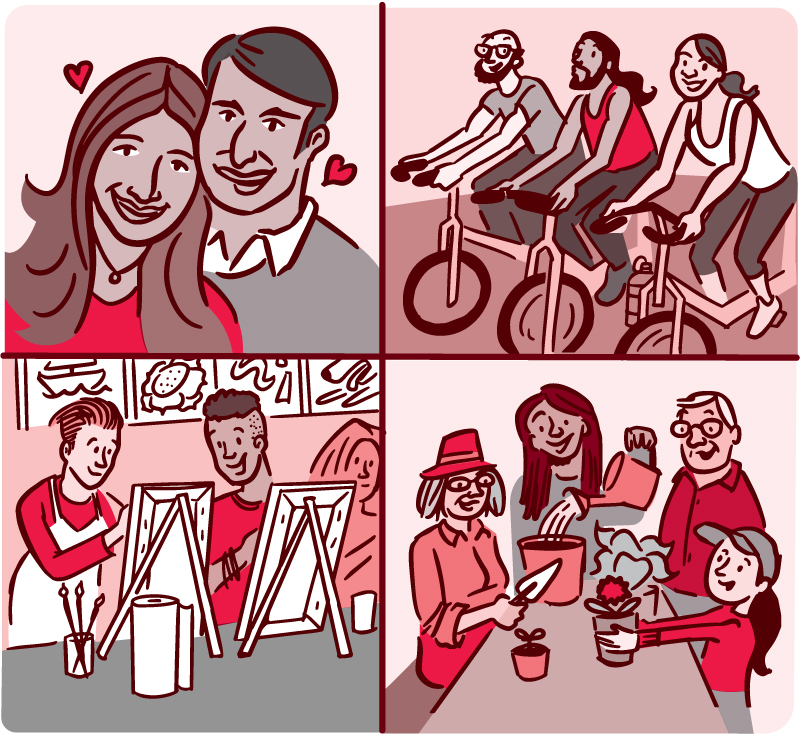
“Cumulative social advantage encompasses the depth and breadth of one’s social connections throughout life,” Professor Ong said. “We considered four key domains: parental warmth and support in childhood, connection to one’s community and neighbourhood, involvement in religious or faith-based groups, and ongoing emotional support from friends and family.”

The researchers posited that sustained social advantages influence the biological systems associated with aging, including epigenetic regulation, inflammation, and neuroendocrine pathways. Remarkably, higher social advantage correlated with reduced levels of interleukin-6, a pro-inflammatory molecule associated with heart disease, diabetes, and neurodegenerative disorders.

However, no significant links were observed with short-term stress markers such as cortisol.
Unlike previous studies that examined singular social factors in isolation—such as marital status or number of friends—this research combined early and later-life relational resources into a multidimensional measure, capturing how social advantages accumulate and cluster over time.

“What stands out is the cumulative effect of these social resources,” Professor Ong emphasised. “It is not merely about having friends today but about how social connections have deepened and grown throughout your lifetime. This gradual accumulation profoundly shapes health outcomes.”
The study cautions that isolated social interactions, for instance a single friendship or brief volunteer experience, cannot by themselves reverse biological aging. Rather, the consistency and depth of social ties built across decades and different life spheres are crucial.

“Think of social connections like a retirement fund,” Professor Ong said. “The earlier and more consistently you invest, the greater the returns. Our findings show those returns are biological as well as emotional. People with richer social connections literally age more slowly at the cellular level. Healthy aging means maintaining both physical health and strong social bonds—they are inseparable.”

 

Related Posts

Ayushman Bharat, Jan Aushadhi Have Helped Families Save ₹2.25 Lakh Crore, Says Modi
Exclusive

Ayushman Bharat, Jan Aushadhi Have Helped Families Save ₹2.25 Lakh Crore, Says Modi

June 6, 2026
New Drug Offers Hope for Millions Living with CKD without Diabetes
Health

New Drug Offers Hope for Millions Living with CKD without Diabetes

June 6, 2026
Prioritising sleep during pregnancy may ease anxiety and support baby’s early well-being, study suggests
Health

Prioritising sleep during pregnancy may ease anxiety and support baby’s early well-being, study suggests

June 6, 2026
WHO Pushes Scalable Self-Help Mental Health Model to Bridge Global Care Gap
Health

WHO Pushes Scalable Self-Help Mental Health Model to Bridge Global Care Gap

June 4, 2026
Uttarakhand Chief Secretary Anand Bardhan
Health

Uttarakhand Plans Stronger Food Safety Surveillance, Tighter Action Against Adulteration

May 30, 2026
Ayushman Bharat Digital Mission Crosses 90-crore ABHA Milestone
Health

Ayushman Bharat Digital Mission Crosses 90-crore ABHA Milestone

May 30, 2026
Next Post
India’s Cold Desert in Lahaul-Spiti now UNESCO’s  Biosphere Reserve

India’s Cold Desert in Lahaul-Spiti now UNESCO’s  Biosphere Reserve

Please login to join discussion

Categories

  • Business
  • Cooperative
  • Culture/Tourism
  • Disability
  • Environment
  • Exclusive
  • Health
  • INFODESK
  • Lifestyle
  • MINDFUL CARE: Nourishing Thoughts and Body
  • National
  • News
  • Politics
  • Post-COVID Insights
  • Science
  • Sports
  • Tech

About

We bring you the best Premium WordPress Themes that perfect for news, magazine, personal blog, etc. Check our landing page for details.

Follow us

Other Links

  • Home
  • About Us
  • Editorial Policy
  • BMI Calculator
  • Calorie Counter

Recent Posts

  • Ayushman Bharat, Jan Aushadhi Have Helped Families Save ₹2.25 Lakh Crore, Says Modi
  • New Drug Offers Hope for Millions Living with CKD without Diabetes
  • Prioritising sleep during pregnancy may ease anxiety and support baby’s early well-being, study suggests
  • WHO Pushes Scalable Self-Help Mental Health Model to Bridge Global Care Gap

Categories

  • Business
  • Cooperative
  • Culture/Tourism
  • Disability
  • Environment
  • Exclusive
  • Health
  • INFODESK
  • Lifestyle
  • MINDFUL CARE: Nourishing Thoughts and Body
  • National
  • News
  • Politics
  • Post-COVID Insights
  • Science
  • Sports
  • Tech
No Result
View All Result
  • Home

© 2025 Essar - Print & IT Solutions Jegtheme.

Welcome Back!

Login to your account below

Forgotten Password? Sign Up

Create New Account!

Fill the forms below to register

All fields are required. Log In

Retrieve your password

Please enter your username or email address to reset your password.

Log In