NEW DELHI: The COVID-19 pandemic showed how an infectious disease emerging in one part of the world can cross borders, overwhelm healthcare systems, disrupt economies and claim millions of lives.
With environmental changes, human activity and closer interaction between people and animals increasing the risk of new infections, President Droupadi Murmu on Friday stressed the need for a coordinated One Health approach to prevent future health crises.
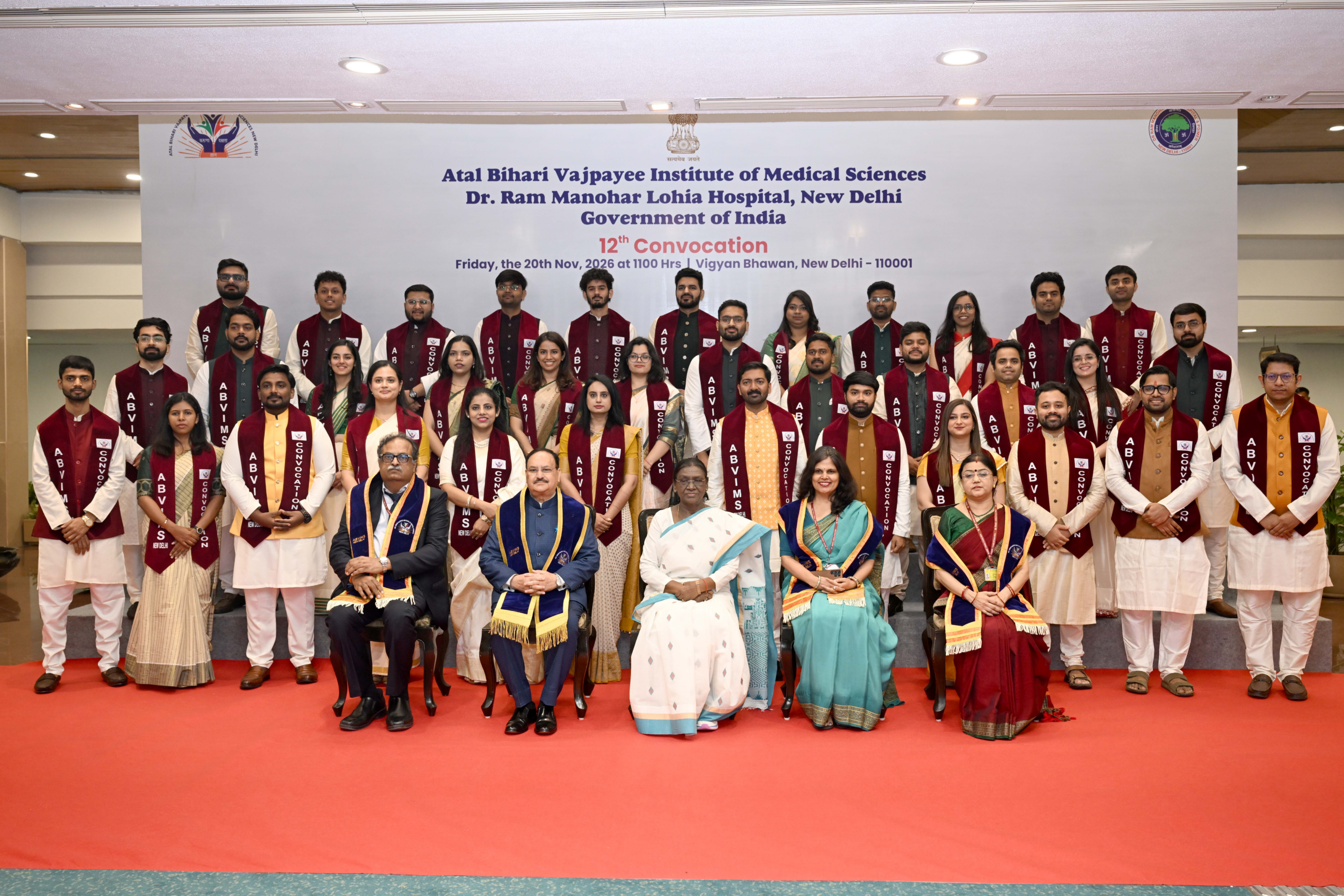
Addressing the 12th convocation of Atal Bihari Vajpayee Institute of Medical Sciences and Dr Ram Manohar Lohia Hospital in New Delhi, the President said the health of humans, animals, plants and the environment was closely interconnected, making collaboration across disciplines essential.
“Many infectious diseases spread from animals to humans, while air and water pollution, climate change, and environmental imbalances also pose serious challenges to human health,” she said.
She called for closer cooperation between human medicine, veterinary science and environmental experts to improve disease surveillance, early detection and preparedness. Pathogens, she emphasised, do not recognise national or disciplinary boundaries.
The need for such an integrated approach has gained importance after COVID-19 exposed gaps in global preparedness and the difficulties health systems face when confronted with a rapidly spreading infectious disease. Experts have repeatedly highlighted the importance of identifying threats early, including infections that can jump from animals to humans, before they develop into wider outbreaks.
The President also urged graduating doctors to look beyond clinical treatment and understand the social, economic, nutritional and environmental factors that influence health. Research and preventive strategies, she said, should be designed around local health needs and conditions.
She encouraged young doctors to take their expertise to remote and underserved communities, strengthening primary healthcare and ensuring that medical advances benefit the underprivileged.
“Healthcare services can become more effective, accessible, affordable, and people-centric” through their research and efforts, she said.
Murmu also called for greater emphasis on preventive and promotive healthcare. Referring to the National Health Policy, 2017, she said the policy had given importance to prevention and health promotion alongside curative services, while also recognising rehabilitation and palliative care.
With non-communicable diseases such as diabetes and cancer, as well as mental stress, adding to the country’s health burden, she said prevention needed sustained attention. She also highlighted government efforts over the past decade to expand healthcare services from primary to tertiary levels.