NEW DELHI: Emphasising the importance of early and family-centred support for children with developmental delays, Union Minister for Social Justice and Empowerment Dr. Virendra Kumar “Parents are the first and most powerful therapists in a child’s life, and when empowered with the right knowledge and support, no child with developmental delay will ever be left behind.”
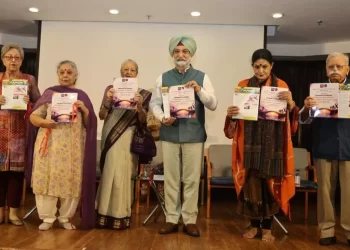
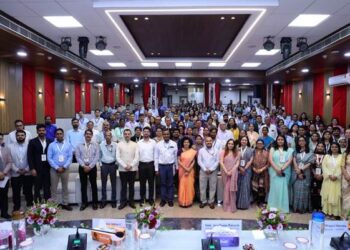
He stressed that early childhood intervention must be viewed not merely as a welfare service but as a national responsibility that directly shapes the future of children and society. He was speaking during the inagural event of the Cross Disability Early Intervention Centre (CDEIC) at the National Institute for the Empowerment of Persons with Intellectual Disabilities (NIEPID), Regional Centre, Sector-40, Noida. The new facility is aimed at strengthening early identification and intervention services for young children with disabilities in the region.
Dr. Kumar noted that the first six years of life are crucial for brain development, learning abilities and social skills. Timely intervention during this period can significantly improve long-term outcomes for children with developmental delays and disabilities. He said that centres such as CDEIC reflect the Government of India’s commitment to reaching children at an early stage and providing structured, scientific and compassionate support.
Directing the Noida facility to develop into a model centre, the Minister underlined that quality should be evident not only in physical infrastructure but also in the availability of trained professionals, modern technology and evidence-based therapeutic practices. He also emphasised the need to actively involve parents and caregivers in the intervention process and called for regular, well-designed training programmes with certification to equip families as equal partners in their child’s developmental journey.
Early intervention centres play a key role in India’s disability care ecosystem. They focus on early detection of developmental delays, timely therapeutic support and guidance to families, helping reduce the long-term impact of disabilities. Such centres are particularly important in bridging gaps in access to specialised care, especially during the formative years when intervention is most effective.
Sharing the Ministry’s broader vision, Dr. Kumar said that with coordinated efforts by professionals, institutions and the Department of Empowerment of Persons with Disabilities (DEPwD), CDEICs should function as centres of trust, innovation and support. He reiterated the government’s commitment to strengthening early intervention services so that children with disabilities can achieve their full potential and participate meaningfully in society.
Speaking at the event, Manmeet Kaur Nanda, Additional Secretary, DEPwD, said that the Noida centre is the 28th Cross Disability Early Intervention Centre established across the country. She said this expansion reflects the government’s sustained focus on early identification and comprehensive support for children with disabilities. She urged the NIEPID team to ensure high-quality, child-centric and family-oriented services.
The Noida CDEIC will provide integrated, multi-disciplinary services under one roof, including occupational therapy, physiotherapy, speech therapy, medical consultation, special education, family counselling and school-readiness programmes. Equipped with modern facilities, the centre is expected to serve children in the critical 0–6 age group from Noida and nearby areas.
During the visit, the Minister and other officials toured the CDEIC, the Model Special Education Centre, the Model Inclusive Primary School, and NIEPID’s regional facilities, and also reviewed services such as the Mobile Therapy Bus and PMDK units.