NEW DELHI: The combined impact of sedentary work-from-home routines and worsening air pollution is emerging as a potent trigger for liver disease in Delhi-NCR, with doctors warning of a growing “silent epidemic” that is no longer confined to alcohol-related damage.
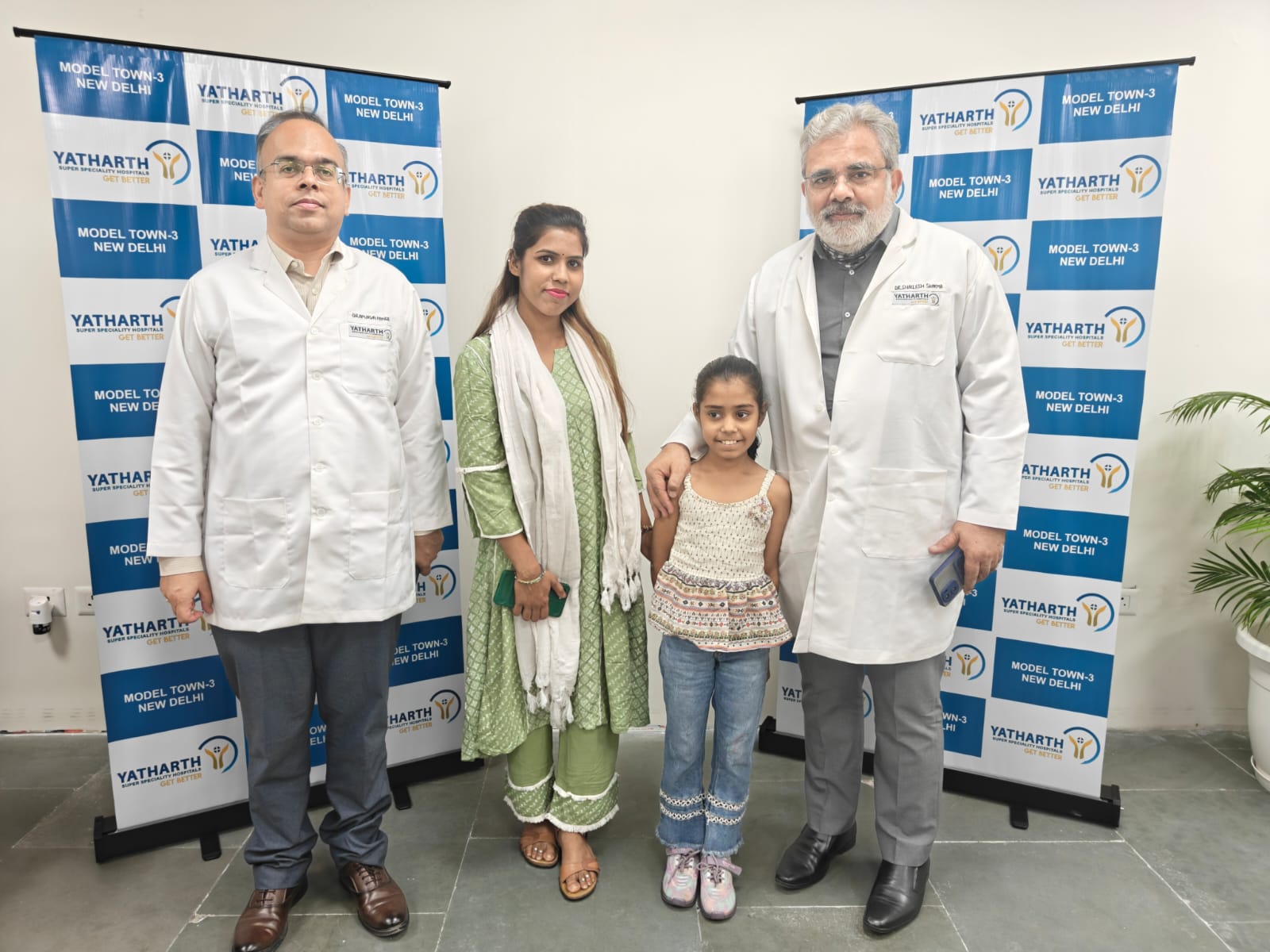
At a press briefing organised by Yatharth Super Speciality Hospital, Model Town, Delhi ahead the World Liver Day, specialists flagged an alarming rise in metabolic and pollution-linked liver disorders, cutting across age groups — from young professionals to adolescents.
“Liver disease is no longer caused only by alcohol — it has become a silent killer driven by lifestyle and pollution,” said Dr Apurva Pande, Additional Director and Head of Gastroenterology and Hepatology.
Recent estimates suggest that nearly one in five Indians is at risk of developing what doctors term ‘silent liver disease’, often progressing without noticeable symptoms. Data from the DiaFib-Liver Study, which screened over 9,000 individuals, found that about 5% already had asymptomatic cirrhosis — a late-stage condition typically detected only when complications arise. Globally, cases of Metabolic dysfunction-associated steatotic liver disease are projected to surge sharply in the coming decades.
The burden appears disproportionately higher in urban regions. In Delhi-NCR, nearly 22.8% of the population is estimated to have fatty liver, with prevalence rising to over 60% among high-risk groups such as those with diabetes and obesity. Data from AIIMS Delhi suggests that fatty liver cases in cities are significantly higher than in rural areas.
Doctors attribute this trend to a combination of poor diet, physical inactivity and environmental exposure. The shift to work-from-home culture, accelerated during the pandemic, has reduced daily movement while increasing reliance on processed foods and irregular eating patterns.
“Pollutants like PM2.5 enter the bloodstream through respiration and reach the liver, triggering inflammation, oxidative stress and eventually fibrosis,” Dr Pande explained. “When this is combined with sedentary behaviour, the risk multiplies.”
He noted that 30–40% of patients visiting outpatient departments are now diagnosed with fatty liver, most of them between 20 and 50 years of age. Alarmingly, similar patterns are being observed in younger populations.
Another emerging concern is ‘lean fatty liver’, where individuals with normal body weight develop liver disease. “Between 9% and 32% of Indians with normal BMI show signs of fatty liver. Being thin does not necessarily mean being healthy,” Dr Pande said, pointing to hidden metabolic risks.
The trend is equally worrying among children. Dr Shailesh Sharma, HoD and Consultant (Peadiatrics) highlighted that nearly 35% of children in Delhi show early signs of fatty liver. “High intake of junk food, excessive screen time and lack of physical activity are major contributors,” he said, adding that severe liver conditions are now being seen at younger ages.
Doctors also pointed to recent advances in early detection. Tools such as FibroScan and the FIB-4 score are helping identify liver damage before it progresses to advanced stages. Government-backed schemes, including Ayushman Bharat and Delhi Arogya Kosh, are improving access to treatment, particularly for economically weaker patients.
However, experts stress that prevention remains the most effective strategy. Simple lifestyle changes — balanced diets, reduced consumption of processed and sugary foods, regular exercise and periodic health check-ups — can significantly reduce risk.
#liverdiseases #health #lifestyle #ayushmanbharat #yatharthsuperspecialityhospital
For more query, kindly mail to indiahealthbuddy@gmail.com