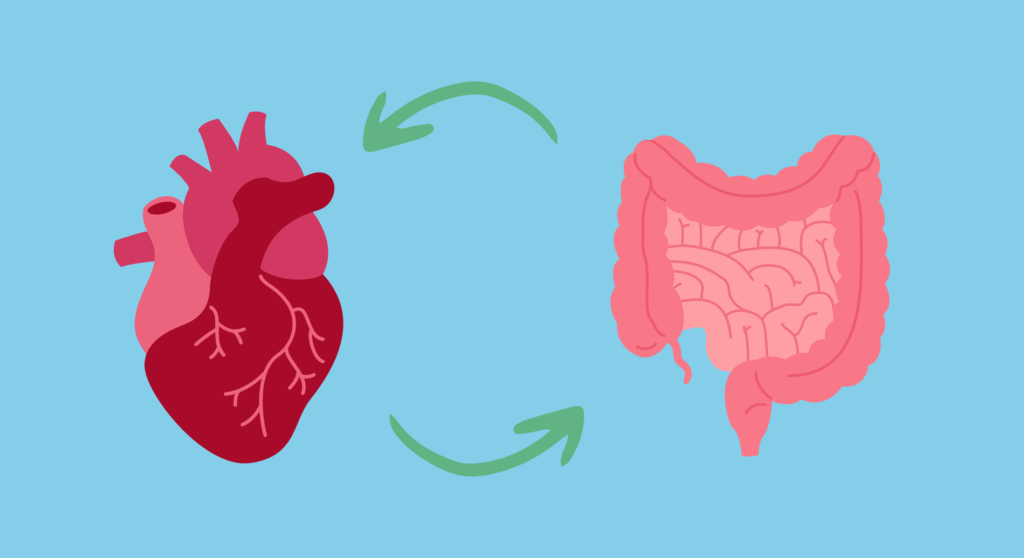
Decline in beneficial gut bacteria could have serious implicationsyou’re your cardiovascular health. Scientists are drawing increasing attention to this intimate connection between gut health and heart disease.
Emerging evidence suggests that an imbalance in the gut microbiome — the diverse community of microorganisms residing in our intestines — may significantly contribute to the progression of heart failure. The depletion of “good” bacteria and the proliferation of harmful microbial species can compromise the integrity of the intestinal barrier, a condition commonly referred to as “leaky gut.”
This weakened barrier allows bacterial byproducts, including endotoxins such as lipopolysaccharides (LPS), to seep into the bloodstream. Once in circulation, these toxic substances are known to trigger systemic inflammation, which in turn plays a pivotal role in cardiac remodeling — a structural alteration of the heart muscle associated with the worsening of heart failure.
Moreover, the gut produces a variety of metabolites that influence heart function. Among them, trimethylamine N-oxide (TMAO), bile acids (BAs), and short-chain fatty acids (SCFAs) have been found to affect key aspects of cardiovascular physiology, including cardiac metabolism, blood vessel function, and immune response.
‘Researchers stress the importance of maintaining a balanced gut microbiome through diet, lifestyle, and possibly the therapeutic use of probiotics or prebiotics. As the understanding of the gut-heart axis deepens, future interventions targeting gut microbes may open new pathways for preventing and managing heart disease.
According to Dr Siddharth Srivastava, a well known gastroenterologist from GB Pant Super Speciality Hospital, Delhi, practical lifestyle changes to support a healthy gut microbiome — and, by extension, a healthier heart is needed. These include increasing dietary intake of fiber, prebiotics, and probiotics through whole foods such as fruits, vegetables, legumes, fermented foods, and whole grains.
Equally important is reducing the consumption of highly processed foods, refined sugars, and the unnecessary use of antibiotics, all of which can disrupt microbial balance.
A diverse, plant-rich diet, regular physical activity, and effective stress management have also been shown to promote microbial diversity and resilience — key factors in long-term gut and heart health, he explained.