The World Health Organization (WHO) has released new guidance to help countries navigate the immediate and long-term impacts of sudden and severe reductions in external health funding, which are disrupting essential services worldwide.
The guidance, “Responding to the Health Financing Emergency: Immediate Measures and Longer-Term Shifts,” offers a suite of policy measures to help countries manage abrupt financing shocks while strengthening domestic systems to mobilize and sustain health financing.
The move External health aid is expected to drop by 30–40% in 2025 compared with 2023, severely affecting low- and middle-income countries (LMICs).
WHO survey data from 108 LMICs collected in March 2025 show that funding cuts have reduced critical services—including maternal care, vaccination, health emergency preparedness, and disease surveillance—by up to 70% in some nations. Over 50 countries have reported job losses among health and care workers, alongside major disruptions to training programs.
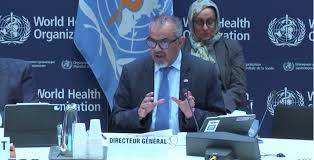
“Sudden and unplanned aid cuts have hit many countries hard, costing lives and jeopardizing hard-won health gains,” said Dr. Tedros Adhanom Ghebreyesus, WHO Director-General. “But this crisis also presents an opportunity for countries to reduce dependence on external aid and build sustainable, self-reliant health systems. WHO’s guidance will help countries mobilize, allocate, and prioritize resources to protect the most vulnerable.”
The cuts compound long-standing challenges in health financing, including rising debt, inflation, economic uncertainty, high out-of-pocket spending, underfunded national budgets, and heavy reliance on foreign aid.
WHO has urged policymakers to make health a political and fiscal priority, viewing spending on health not as a cost but as an investment in social stability, human dignity, and economic resilience.
Key policy recommendations include prioritizing health services accessed by the poorest, protecting health budgets and essential services, and improving efficiency through better procurement, reduced overheads, and strategic purchasing.
It also stresses the integration of externally funded or disease-specific programs into comprehensive primary health care (PHC)-based delivery models and the use of health technology assessments to prioritize services and products that deliver the greatest health impact per dollar spent.
To support countries, WHO and its partners will provide technical assistance, data analysis, and peer learning through platforms like the upcoming UHC Knowledge Hub. It will be launched in partnership with Japan and the World Bank in December 2025.