New Delhi: According to the Ministry of Road Transport and Highways’ report “Road Accidents in India 2023,” nearly 1.7 lakh people lost their lives in road crashes last year — many of them young and otherwise healthy — representing a significant pool of potential donors.
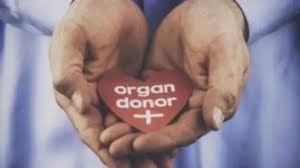
However, India currently records fewer than one deceased organ donor per million population, even as thousands of patients await life-saving transplants.
Officials point out that the gap is not due to reluctance, but rather to a lack of awareness and persistent myths surrounding organ donation.
Concerned over India’s low rate of organ donation, the Union Government has asked States and Union Territories to intensify efforts to promote organ and tissue donation from victims of road accidents.
In an advisory to States, the National Organ and Tissue Transplant Organisation (NOTTO), under the Union Health Ministry, has recommended state- and district-level training programmes for first responders — including police personnel, ambulance drivers, emergency medical technicians (EMTs), and paramedical staff — to help identify and refer potential organ donors in a timely manner.
“Many potential donors are lost due to the lack of timely identification and referral,” said Dr. Anil Kumar, Director of NOTTO, in a letter to State Health Departments. He added that while saving lives must always be the first priority, organ donation should be considered in confirmed cases of brain stem death, as per the Transplantation of Human Organs and Tissues Act, 1994.
The advisory proposes that Regional and State Organ and Tissue Transplant Organisations (ROTTOs/SOTTOs) conduct training sessions in coordination with State authorities. These will cover the basics of organ donation, identifying and maintaining potential donors, counselling families, and ensuring proper referrals.
States have also been asked to establish mechanisms for quick communication between first responders and transplant coordinators in nearby trauma centres or medical colleges. All government and private ambulance services — including 108 and 102 emergency networks — are to ensure that their personnel participate in these training programmes.
To support the initiative, the Centre has also suggested that trauma centres be upgraded and registered as organ retrieval facilities, enabling faster and safer organ preservation.
In a related communication, NOTTO has urged States to promote tissue and bone donation as well. India requires nearly one lakh corneas annually, but only about one-third of that demand is met. Bone donation, it noted, plays a crucial role in treating trauma injuries, congenital abnormalities, and other bone-related conditions.
Tissues such as corneas, skin, bones, and heart valves can be retrieved within six to ten hours of death, even in cases of brain stem or cardiac death. Hospitals have been directed to form organ and tissue donation teams—including members of the brain stem death committee and transplant coordinators—and to notify all in-hospital deaths for possible donation counselling.
Even if families decline organ donation, they should be offered the option of tissue donation, the advisory stressed. Hospitals have also been instructed to strengthen their linkages with registered tissue banks for retrieval, processing, and storage, said the letter.