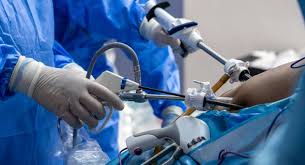
New Delhi: India is seeing a sharp rise in uncontrolled diabetes and doctors at the All India Institute of Medical Sciences (AIIMS), Delhi, say many patients can avoid serious health problems if they get metabolic surgery at the right time. This surgery can help bring sugar levels under control and, in many cases, even remove the need for diabetes medicines.

Dr. Manjunath Maruti Pol, Additional Professor at Surgical Department AIIMS, said his team has performed metabolic surgery on 120 patients in the past 15 months. “Among those with uncontrolled diabetes, nearly 30% were able to stop all diabetes medicines after surgery,” he said.
Why the Surgery Matters
Many people believe diabetes simply means “high sugar or low sugar.” But Dr Pol warns that unchecked high sugar quietly damages the kidneys, heart, nerves, eyes, and even the brain—often without any symptoms.
Dr. Pol said that by the time many people find out they have diabetes, half of their insulin-producing cells are already destroyed. And when a patient reaches the stage of taking insulin injections, only about 10% of these cells remain.
This delay makes diabetes harder to control and increases the risk of:
- Kidney failure
- Heart attack
- Stroke
- Nerve damage
- Amputations
- Blindness
“But people should know that metabolic surgery is a proven option—before these organs start failing,” Dr. Pol said.
Who Benefits Most
The surgery is helpful for patients:
- Who have had Type-2 diabetes for 8–10 years
- Whose sugar stays high despite several medicines
- Who are at high risk of organ damage
But it is not needed for diabetic patients who keep their HbA1c between 6 and 6.5 through routine medicine, diet and exercise.
Also, people with very long-standing diabetes (over 25 years) who take very high doses of insulin (around 100 units a day) do not benefit much. Patients with Type-1 diabetes are not eligible.
How the Surgery Works
Metabolic surgery does not repair the pancreas. Instead, it works through the stomach and intestine. In the procedure:
- The stomach is reshaped into a small tube
- A part of the small intestine is bypassed
This changes the hormones in the gut, especially GLP-1, which helps the body use insulin better. Many patients see near-normal sugar levels the very next day, even before losing weight.
But patients must follow a healthy diet, exercise, and regular check-ups after surgery.
Real-Life Example
Dr. Pol shared the case of an MP with a BMI of 27, an HbA1c of 11.7, and fasting sugar above 300 mg/dL for 10 years. “After metabolic surgery, he is now completely off medicines and stable,” he said.
A Recognised Treatment Worldwide
International guidelines, including those of the International Diabetes Federation (IDF), recognised metabolic surgery as an effective treatment for uncontrolled Type-2 diabetes in 2016. Even people who are not obese can benefit.
A recent seven-year study from Punjab also showed major improvements in sugar control after metabolic surgery in non-obese but severely diabetic patients.
The Cost—and the Bigger Savings
The surgery costs between ₹3 lakh and ₹6 lakh, but Dr. Pol said it can prevent far more expensive complications like dialysis, heart procedures, and amputations. “It’s a classic case of ‘a stitch in time saves nine’,” he said.
A Call for Awareness
India has nearly 70 million people living with diabetes, many of whom have poor control. Dr. Pol urged that accurate information about metabolic surgery must reach the public. “For many people with uncontrolled diabetes, this surgery can mean the difference between losing their health and getting their life back,” he said.
#aiims #delhi #surgery #treatment #bariartic #daibetes #uncontrolleddiabetes
For further inquiry or info kindly mail us at indiahealthbuddy@gmail.com