DEHRADUN: The stage is set for the inauguration of the much-awaited Delhi–Dehradun Expressway, with Prime Minister Narendra Modi scheduled to dedicate the project to the nation on April 14.
The ambitious infra structure corridor is expected to significantly reduce travel time between Delhi and Dehradun to about two-and-a-half hours, offering a major boost to regional connectivity.
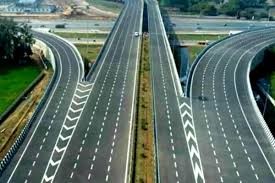
Stretching over approximately 210 kilometres, the expressway is being seen as a transformative project for three States — Delhi, Uttar Pradesh, and Uttarakhand. It is designed not just as a high-speed route between two cities, but as an integrated road network connecting several urban centres, industrial hubs, and tourist destinations.
One of the most striking features of the expressway is the 12-km-long Ganeshpur–Datkali elevated stretch, which is being described as Asia’s longest green corridor. Passing through ecologically sensitive areas, the elevated road has been designed to minimise environmental impact while ensuring smooth vehicular movement. The stretch begins near Saharanpur in Uttar Pradesh and ends near Datkali, on the outskirts of Dehradun.
Developed at an estimated cost of Rs 11,970 crore, the project is among the most technologically advanced highway initiatives in the country. It connects two major expressways, five national highways, and over ten state highways and local roads, creating a seamless transport network across northern India.
Commuters starting from Delhi will be able to access the expressway near Akshardham and seamlessly connect to the Delhi–Meerut Expressway as well as the Eastern Peripheral Expressway. Along the route, multiple entry and exit points will allow travellers to connect with key national highways, including NH-44, NH-334, NH-307, NH-709B, and NH-7, facilitating travel to a wide range of cities.
In western Uttar Pradesh, the expressway will link important state highways such as the Delhi–Baghpat, Meerut–Baghpat, Meerut–Bulandshahr, Muzaffarnagar–Deoband–Saharanpur, and Muzaffarnagar–Shamli routes. This enhanced connectivity is expected to reduce congestion on existing roads and improve travel efficiency across the region.
In Uttarakhand, the expressway will connect to key routes linking Dehradun with Mussoorie, Rishikesh, and Vikasnagar, making access to major tourist destinations faster and more convenient. This is likely to provide a significant boost to tourism in the hill State.
A major advantage of the project is its linkage with the Eastern Peripheral Expressway at Khekra. This will enable direct connectivity for travellers coming from cities such as Sonipat, Panipat, Kundli, Manesar, Gurugram, Palwal, Baghpat, Ghaziabad, Noida, Greater Noida, Chandigarh, and Ambala. Tourists travelling via the Yamuna Expressway from Agra will also benefit from easier access to Dehradun.
Officials note that the expressway incorporates advanced features such as access-controlled entry and exit points, elevated corridors, and intelligent traffic management systems. These technologies are expected to enhance road safety and ensure smoother traffic flow.
“The Delhi–Dehradun Expressway is among the most modern and technologically advanced highway projects in the country. Its access control systems and intelligent traffic management will make travel both safe and smart,” said Vishal Gupta, Regional Officer at the National Highways Authority of India.
Beyond improving travel time, the expressway is expected to drive economic growth by enhancing connectivity between urban centres and industrial regions, while also promoting tourism, said the officials.
#expressway #delhidehradunexpressway #uttarpradesh #uttarakhand #haryana #primeministerofindia #narendermodi #economic #greencorridor
For further enquiries mail to indiahealthbuddy@gmail.com